




Exploring the Depths: The Rise of VR Caves in Virtual Reality
Virtual reality (VR) has transformed how we interact with digital environments, pushing the boundaries of immersion and interactivity.

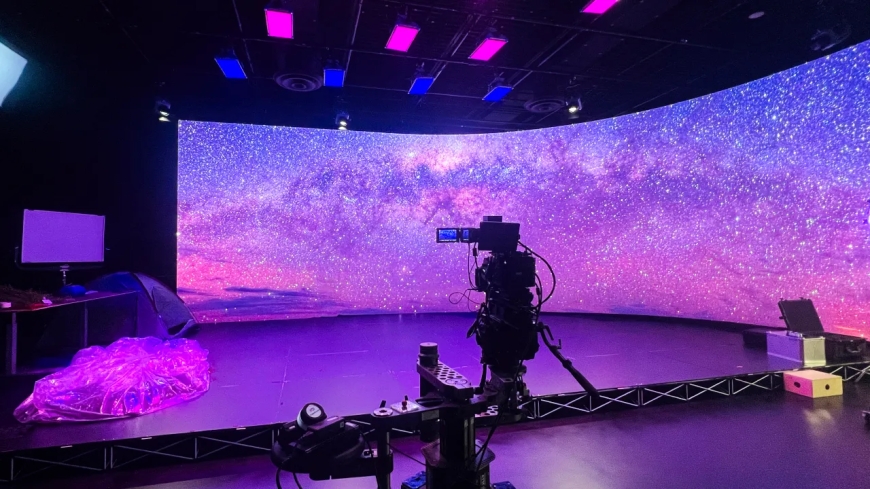
Virtual reality (VR) has transformed how we interact with digital environments, pushing the boundaries of immersion and interactivity. Among the most captivating applications of VR is the concept of the VR cave or virtual cavea fully immersive, room-scale environment that replicates the experience of exploring a cave in virtual reality. Unlike traditional VR setups that rely on headsets alone, VR caves combine advanced projection systems, spatial tracking, and interactive elements to create a shared, multi-user experience. This guest post delves into the technology behind VR caves, their applications, and their potential to revolutionize industries and entertainment.
What is a VR Cave?
A VR cave, often referred to as a Cave Automatic Virtual Environment (CAVE), is a specialized VR setup where users are surrounded by large display surfacestypically walls, floors, and sometimes ceilingsthat project high-resolution, stereoscopic visuals. These surfaces create a seamless, 360-degree environment that mimics the real world or a fictional one, such as a cave. Unlike head-mounted displays (HMDs) like the Oculus Rift or HTC Vive, VR caves allow multiple users to share the same space without wearing heavy headsets, making them ideal for collaborative experiences.
The term "cave in virtual reality" often evokes images of exploring underground caverns, but the technology extends far beyond geological simulations. VR caves can replicate any environment, from historical sites to futuristic landscapes, while offering users freedom of movement and interaction within a controlled space.
The Technology Behind VR Caves
Projection and Display Systems
At the heart of a VR cave is its display system. High-resolution projectors or LED panels cover multiple surfaces, creating a continuous visual field. These displays use stereoscopic rendering, where slightly different images are projected for each eye to create a sense of depth. Polarized glasses or shutter glasses are often worn to enhance this 3D effect, ensuring users perceive the environment as lifelike.
Motion Tracking
Precise motion tracking is critical for VR caves. Infrared cameras, LIDAR, or marker-based systems track users movements in real time, adjusting the visuals to match their perspective. This ensures that as users walk, turn, or crouch, the environment responds naturally, maintaining immersion. Advanced systems can even track gestures or facial expressions, allowing for more nuanced interactions.
Spatial Audio
Sound plays a vital role in immersion. VR caves incorporate spatial audio systems that deliver directional sound, simulating echoes, drips, or other environmental noises you might hear in a real cave. This enhances the realism, making users feel as though they are truly inside a subterranean world.
Computing Power
VR caves require significant computational resources. High-end GPUs and CPUs process real-time rendering, physics simulations, and user interactions. Software platforms like Unity or Unreal Engine are often used to develop the virtual environments, with custom middleware to handle multi-user synchronization and projection mapping.
Applications of VR Caves
The versatility of VR caves makes them valuable across various sectors. Below are some key applications where the cave in virtual reality concept shines.
Education and Research
VR caves are transforming how we learn about complex subjects like geology, archaeology, and biology. For instance, students can explore a virtual cave to study rock formations, fossils, or underground ecosystems without the risks or costs of physical expeditions. Universities and research institutions use VR caves to simulate inaccessible environments, such as deep-sea trenches or volcanic caves, enabling hands-on learning in a safe setting.
Training and Simulation
Industries like mining, military, and emergency response leverage VR caves for training. Miners can practice navigating hazardous underground environments, while soldiers can simulate cave-based operations. These simulations improve decision-making and teamwork in high-stakes scenarios, all within a controlled virtual space.
Entertainment and Gaming
In entertainment, VR caves offer unparalleled group experiences. Imagine a multiplayer adventure where friends explore a virtual cave filled with puzzles, treasures, or mythical creatures. Theme parks and arcades are adopting VR caves to create immersive attractions, blending physical movement with digital storytelling.
Cultural Preservation
Archaeologists and historians use VR caves to preserve and share cultural heritage. Virtual replicas of ancient caves, like the Lascaux Caves in France, allow visitors to explore delicate sites without causing damage. These digital recreations can include interactive elements, such as narrated tours or historical reconstructions, bringing the past to life.
Architecture and Design
Architects and urban planners use VR caves to visualize large-scale projects. By stepping into a virtual model of a building or city, stakeholders can assess designs from every angle, identifying issues before construction begins. This application extends to interior design, where clients can "walk through" virtual spaces to finalize layouts.
Benefits of VR Caves
Enhanced Immersion
The room-scale, headset-free nature of VR caves creates a level of immersion that HMDs struggle to match. Users can move naturally, collaborate with others, and engage with the environment without the constraints of cables or limited tracking areas.
Collaborative Experiences
Unlike solitary VR headset experiences, VR caves support multiple users simultaneously. This makes them ideal for team-based activities, whether in education, training, or entertainment. Colleagues can brainstorm in a virtual boardroom, or friends can explore a cave together, sharing the experience in real time.
Accessibility
VR caves eliminate some barriers associated with traditional VR. For example, users with motion sickness issues often find VR caves more comfortable, as they dont require headsets that can cause disorientation. Additionally, the shared environment makes VR more accessible to groups, reducing the need for individual equipment.
Challenges and Limitations
Despite their potential, VR caves face several challenges:
- Cost: Setting up a VR cave requires significant investment in hardware, software, and space. High-end projectors, tracking systems, and computing power can be prohibitively expensive for smaller organizations.
- Space Requirements: VR caves need dedicated rooms with precise configurations, limiting their accessibility for home users or small businesses.
- Technical Complexity: Maintaining and calibrating a VR cave demands expertise. Misaligned projectors or tracking errors can disrupt the experience, requiring regular upkeep.
- Content Development: Creating high-quality content for VR caves is time-consuming and resource-intensive. Developers must account for multi-user interactions, high-resolution rendering, and seamless integration across all surfaces.
The Future of VR Caves
As technology advances, VR caves are poised to become more accessible and versatile. Here are some trends shaping their future:
Miniaturization and Cost Reduction
Advancements in display and tracking technology are making VR caves more compact and affordable. Portable VR cave systems, using lightweight projectors and simplified tracking, could bring the technology to schools, small businesses, or even homes.
Integration with AI
Artificial intelligence is enhancing VR caves by enabling dynamic, responsive environments. AI-driven NPCs (non-player characters) can interact with users in real time, creating more engaging simulations. For example, a virtual cave could feature AI-guided tours or reactive wildlife, adapting to users actions.
Haptic Feedback
The addition of haptic devices, such as gloves or vests, could make VR caves even more immersive. Imagine feeling the texture of a cave wall or the vibration of a virtual earthquake, adding a tactile dimension to the experience.
Cloud-Based Rendering
Cloud computing could offload the heavy processing demands of VR caves, reducing the need for expensive local hardware. This would make the technology more scalable, allowing smaller organizations to adopt VR caves without significant upfront costs.
Real-World Examples
Several institutions have already embraced VR caves. The University of Illinois, where the CAVE concept was pioneered in the 1990s, continues to use VR caves for scientific visualization. Companies like Mechdyne and Visbox provide commercial VR cave solutions for industries ranging from aerospace to healthcare. In entertainment, VR arcades like The Void use similar principles to create immersive, location-based experiences.
Conclusion
The VR cave or virtual cave represents a pinnacle of immersive technology, blending cutting-edge visuals, spatial tracking, and collaborative design to create unparalleled experiences. From education to entertainment, these environments are redefining how we explore, learn, and interact with digital worlds. While challenges like cost and complexity remain, ongoing advancements promise to make VR caves more accessible and impactful. As we continue to push the boundaries of virtual reality, the cave in virtual reality stands as a testament to human ingenuity, inviting us to step into new realms of possibility.
Whether youre a researcher, educator, or thrill-seeker, the VR cave offers a gateway to experiences that are as close to reality as technology allowswithout ever leaving the room.