




Lathe Soft Jaws for Delicate Parts: Ensuring Precision Without Damage
Discover how lathe soft jaws help protect delicate parts during machining. Learn about their benefits, materials, design tips, and best practices for precision without damage.

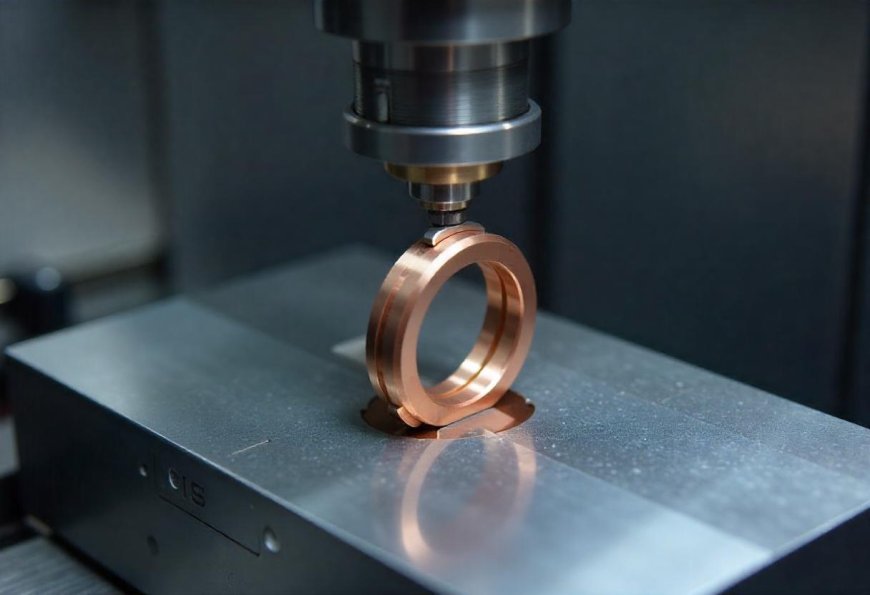
Machining delicate parts is not easy. If the grip is too tight, the part can break. If its too loose, it can slip. This is where lathe soft jaws become very helpful. These special jaws hold fragile parts safely while making sure they dont get damaged. In fact, using the right gripping tools like soft jaws can reduce part damage by up to 70%.
In this blog, well explore how soft jaws work, why theyre important, how to choose the right ones, and how to use them the right way.
Understanding Soft Jaws and Their Role in Precision Machining
What Are Soft Jaws?
Soft jaws are clamps that are made to fit specific parts. They are softer than regular or hard jaws, which helps protect the workpiece. Most soft jaws are made from aluminum, copper, or rubber-lined steel. These materials are strong enough to hold the part but soft enough to avoid scratches or cracks.
They are especially helpful when working with:
-
Thin-walled parts
-
Irregular shapes
-
Shiny or polished surfaces
-
Parts that are easily damaged
Why Soft Jaws Outperform Hard Jaws
Hard jaws are good for strong, solid materials. But for delicate parts, they can be too rough. Soft jaws offer:
-
Even pressure across the surface
-
Better grip on odd shapes
-
Less chance of cracking or bending the part
Industries like aerospace, medical devices, and jewelry making often use soft jaws to protect high-value, fragile components.
Key Benefits of Using Soft Jaws
Using lathe soft jaws gives you many benefits:
-
Protection: Keeps delicate parts safe from scratches or dents
-
Accuracy: Helps the part stay in place for precise cutting
-
Tool life: Reduces tool vibration and misalignment, which helps tools last longer
-
Less waste: Fewer damaged parts means lower costs and better results
Choosing the Right Soft Jaws for Your Parts
Material Considerations
Choosing the right material for your soft jaws depends on the part you are working with.
-
Aluminum: Lightweight and easy to shape. Great for small, light parts.
-
Copper: Even softer than aluminum. Perfect for very delicate or shiny surfaces.
-
Rubber-lined Steel: Strong and gentle at the same time. Best for ultra-fragile or soft parts like glass or plastic.
Custom vs. Off-the-Shelf Soft Jaws
You can either buy off-the-shelf soft jaws or get custom-made ones.
-
Custom Soft Jaws: These are made to fit your part exactly. They take more time and cost more but give the best grip and protection.
-
Off-the-Shelf Jaws: These are ready-made and cheaper. They work well for standard shapes but may not fit odd-shaped parts perfectly.
? Case Study: A jewelry maker switched to custom soft jaws and reduced finish errors by 40%.
Size and Shape Compatibility
Make sure your soft jaws match the size and shape of the part.
-
For round parts, use curved jaws
-
For flat parts, use flat-faced jaws
-
Use step jaws or profiled cuts for parts with complex shapes
Expert Tip: Always leave a small margin for final adjustments to make sure the part fits just right.
Designing and Manufacturing Soft Jaws
How to Make Soft Jaws
Making your own soft jaws is possible if you have the right tools.
-
Measure the part carefully using a caliper
-
Draw the profile using CAD or blueprints
-
Machine the jaws using CNC or hand tools
-
Attach the soft material to a strong base like steel or aluminum
This mix gives both strength and gentleness.
Tips for Optimizing Soft Jaw Design
To make your soft jaws even better:
-
Add slip zones to reduce part movement during clamping
-
Use textured surfaces to improve grip
-
Add quick-release features to save time when changing jaws
Common Mistakes to Avoid
Using soft jaws seems simple, but many people make the same mistakes:
-
Choosing the wrong material: Too soft and it wont hold. Too hard and it may damage the part.
-
Over-tightening: This is a big cause of damage. Use just enough pressure.
-
Not checking the fit after reuse: Jaws wear down over time. Always check before reusing.
Best Practices for Using Soft Jaws Safely and Effectively
Proper Setup and Handling
Using lathe soft jaws the right way keeps your parts safe and your work accurate:
-
Check fit before each use
-
Set correct clamping pressure not too much, not too little
-
Clean jaws regularly dirt or chips can ruin the part surface
Maintenance and Longevity
To make soft jaws last longer:
-
Inspect them for wear or cracks before each job
-
Replace worn-out jaws before they cause mistakes
-
Store them in a clean, dry area to avoid rust or damage
Expert Advice:
"Soft jaws are a simple tool but make a big difference," says a senior machinist.
"They save parts, reduce mistakes, and help finish the job faster."
Conclusion
Lathe soft jaws are one of the most important tools for working with delicate parts. They help protect fragile surfaces, improve accuracy, and make your tools last longer.
By choosing the right material, making sure they fit your part, and following best practices, you can avoid damage and get better results.
? Action Step:
Take a look at your current setup. If you often work with fragile or custom parts, it may be time to switch to custom soft jaws.