




Laboratory Funnel Functions: Improve Accuracy in Every Experiment
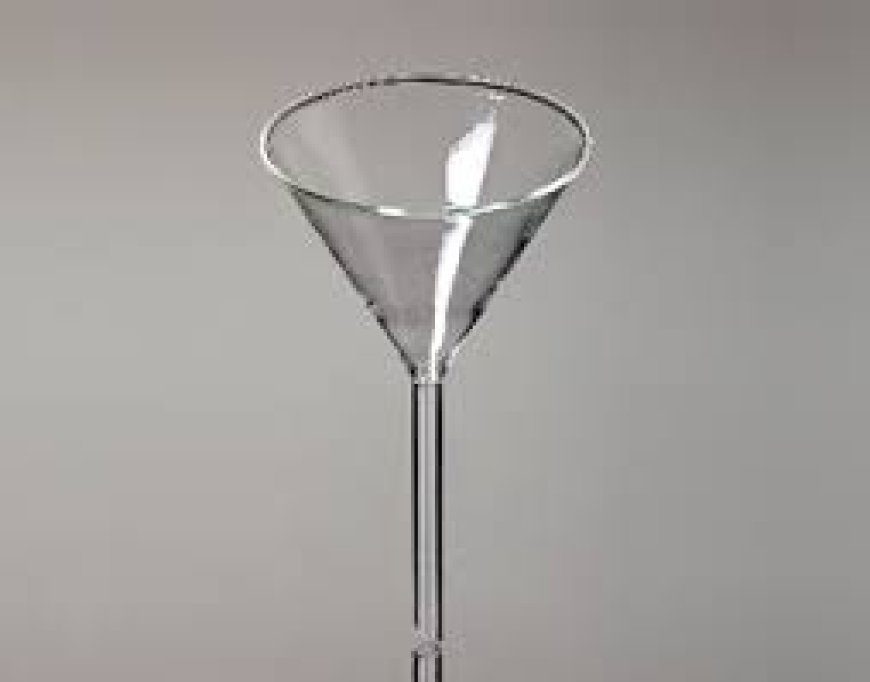
In the world of scientific research and chemical analysis, accuracy is everything. Even a minor spill or cross-contamination can lead to failed results, wasted materials, or even hazardous outcomes. Thats where the laboratory funnel comes into play a seemingly simple, yet vital tool that ensures precision, safety, and efficiency in every experiment.
From filtering solutions to transferring liquids between vessels, the laboratory funnel plays a central role in maintaining clean workflows and delivering consistent results in the lab. Whether you're a student learning basic chemistry or a professional working in a pharmaceutical lab, understanding the functions and types of laboratory funnels is essential. In this blog, well explore what laboratory funnels are, their key functions, the various types available, and how to choose the right one to ensure maximum accuracy in your experiments.
What Is a Laboratory Funnel?
A laboratory funnel is a cone-shaped tool designed to assist with the safe and controlled transfer of liquids or fine-grained solids into containers with narrow openings. It helps prevent spills, minimises waste, and protects against exposure to hazardous substances. Most laboratory funnels are made from glass, plastic (polypropylene or polyethene), or porcelain, depending on their intended use.
While simple in design, the laboratory funnel is crucial in many lab applications from basic sample preparation to complex chemical processes.
Core Functions of a Laboratory Funnel
1. Liquid Transfer Without Spills
The most common use of a laboratory funnel is to pour liquids cleanly from one container to another. This function is particularly important when working with volatile, corrosive, or expensive chemicals, where every drop matters.
2. Filtration
Certain types of laboratory funnels, like filter funnels and Bchner funnels, are specifically designed for filtration. These are used with filter paper or vacuum systems to separate solids from liquids, aiding in chemical synthesis, water testing, and more.
3. Separation of Mixtures
A separatory funnel a specific type of laboratory funnel is used to separate immiscible liquids (like oil and water) based on density. It is essential in organic chemistry for solvent extraction and purification steps.
4. Minimising Cross-Contamination
Funnels reduce the risk of contamination by preventing spillage or splashing when transferring substances. This is crucial in labs where sample purity is vital.
5. Improving Workflow Efficiency
By simplifying the transfer of materials and reducing clean-up time, laboratory funnels help streamline laboratory processes and reduce errors caused by manual handling.
Types of Laboratory Funnel and Their Uses
There are several types of laboratory funnels, each suited to specific tasks. Here's a breakdown of the most commonly used varieties:
Simple Funnel (Standard Funnel)
-
Use: Basic liquid or powder transfer
-
Material: Glass or plastic
-
Application: Ideal for pouring into test tubes, beakers, or flasks
Filter Funnel
-
Use: Filtration of mixtures using filter paper
-
Shape: Long stem with a wide cone
-
Application: Common in chemical labs for separating solids from liquids
Bchner Funnel
-
Use: Vacuum filtration
-
Material: Porcelain or plastic
-
Application: Used with a vacuum flask to quickly separate solids
Separatory Funnel
-
Use: Liquid-liquid extraction
-
Shape: Pear-shaped with a stopcock
-
Application: Allows controlled release of layers in solvent extraction
Powder Funnel
-
Use: Transferring dry chemicals or powders
-
Design: Short, wide stem to prevent clogging
-
Application: Useful in weighing and mixing solid reagents
Dropping Funnel
-
Use: Controlled addition of reagents
-
Feature: Has a stopcock or valve
-
Application: Ideal for titration or slow chemical reactions
Choosing the Right Laboratory Funnel
Selecting the correct laboratory funnel depends on the nature of your experiment and the material youre working with. Here are a few factors to consider:
Material Compatibility
-
Glass: Heat-resistant, ideal for high-temperature reactions
-
Plastic (PP or PE): Lightweight, chemical-resistant, disposable
-
Porcelain: Durable, resistant to corrosive substances
Functionality
-
Need to filter? Choose a filter or a Bchner funnel.
-
Working with immiscible liquids? Use a separatory funnel.
-
Transferring fine powders? Opt for a powder funnel.
Size and Diameter
Choose a funnel that matches the opening of your container. Too large, and it may be unstable; too small, and you risk overflow or clogging.
Sterility and Reusability
In microbiology or pharmaceutical settings, funnels may need to be autoclaved or used in sterile environments. Choose accordingly.
Best Practices for Using Laboratory Funnels
To ensure your laboratory funnel performs efficiently and safely, follow these best practices:
-
Secure the funnel using a ring stand or clamp to prevent tipping.
-
Use the right filter paper when performing filtration ensure it fits properly inside the funnel.
-
Avoid overfilling, especially with hazardous liquids.
-
Clean thoroughly after each use to prevent cross-contamination.
-
Inspect for cracks or damage, especially in glass funnels, before use.
Real-World Applications of Laboratory Funnels
Laboratory funnels are used across various fields and industries:
Academic and Teaching Labs
Students use simple funnels in basic chemistry and biology labs for learning proper transfer and filtration techniques.
Pharmaceutical and Chemical Labs
Bchner and separatory funnels are used in drug synthesis, quality control, and compound extraction.
Environmental Testing
Funnels assist in water filtration and pollutant separation during environmental assessments.
Food and Beverage Testing
Used to filter and analyse ingredients, additives, or contaminants in food chemistry labs.
Clinical and Diagnostic Labs
Funnels help transfer reagents and samples while maintaining sterile conditions.
The Importance of Funnels in Lab Safety and Accuracy
Every tool in a laboratory serves a purpose, but few are as universally needed as the funnel. By simplifying material transfers and supporting critical processes like filtration, a laboratory funnel minimises human error and keeps experiments on track. When paired with proper technique and maintenance, funnels help laboratories maintain both precision and cleanliness, directly contributing to more reliable outcomes.
In fact, in many regulated industries, using the right funnel isn't just best practice its a compliance requirement. Funnels that reduce cross-contamination, prevent chemical exposure, and enable accurate sample processing are part of larger protocols for good laboratory practices (GLP) and quality assurance.
Conclusion:
No matter how advanced your lab is, the importance of a reliable laboratory funnel cant be overstated. This simple yet versatile tool plays a crucial role in maintaining safety, accuracy, and efficiencyin nearly every experimental process. From filtering compounds and transferring solutions to separating immiscible liquids, the right funnel ensures your materials end up where they should and not on the benchtop.At Livingstone International, we understand that small tools make a big difference. Thats why we offer a wide range of high-quality laboratory funnels crafted to meet the demands of modern labs. Whether you're a student, a researcher, or a technician, our funnels are designed for performance, precision, and safety.