




A Simple Introduction to Indian Vedic Astrology Basics
Explore the introduction to Indian Vedic astrology basics in this beginner-friendly guide. Learn core concepts, planetary influence, and what makes Vedic astrology unique.

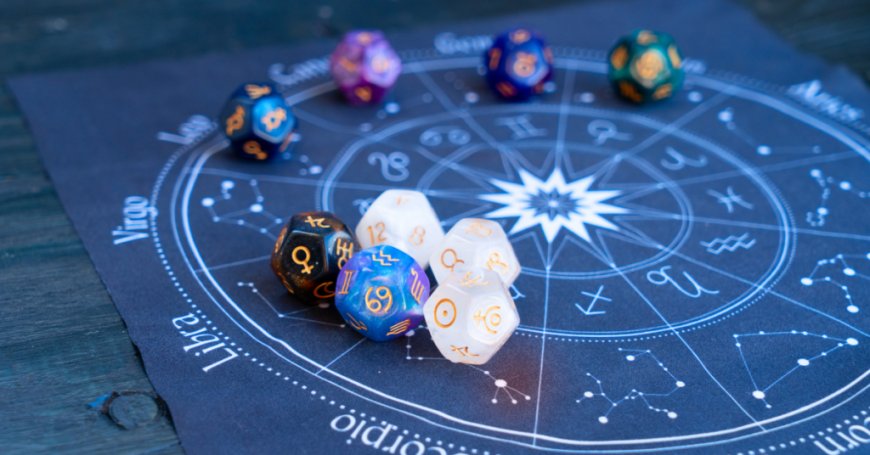
Vedic astrology, also known as Jyotish Shastra, is an ancient Indian system of reading the stars. Unlike Western astrology, which is sun-sign based, Vedic astrology follows the sidereal zodiac, focusing on the fixed positions of constellations. This makes it highly detailed and incredibly accurate for those who want a deeper understanding of their life patterns.
Whether you're just starting out or you're curious about how this system works, heres a beginners introduction to Indian Vedic astrology basics.
What is Vedic Astrology?
Vedic astrology is a time-tested astrological science developed in India over 5,000 years ago. Rooted in the Vedasthe oldest scriptures of Hinduismit serves as a spiritual guide to understanding life, karma, and destiny.
Unlike popular horoscope readings that often offer general advice, Vedic astrology is more personalized. It uses your exact time, date, and place of birth to create a detailed birth chart (or Kundli) that maps the positions of celestial bodies at the moment you were born.
Key Components of Vedic Astrology
Understanding Indian Vedic astrology basics means getting familiar with its foundational elements. Lets break them down:
1. The Birth Chart (Janam Kundli)
Your birth chart is the starting point. Its a circular or square map that captures the positions of the planets at the exact moment of your birth. This chart consists of 12 houses, each representing different aspects of life such as health, wealth, relationships, and career.
2. The Zodiac Signs (Rashis)
There are 12 zodiac signs in Vedic astrology, starting with Mesha (Aries) and ending with Meena (Pisces). Each sign influences how the planets behave in a birth chart.
3. The Planets (Grahas)
In Vedic astrology, there are nine planets (Navagrahas) that affect your life:
-
Sun (Surya)
-
Moon (Chandra)
-
Mars (Mangal)
-
Mercury (Budh)
-
Jupiter (Guru)
-
Venus (Shukra)
-
Saturn (Shani)
-
Rahu (North Lunar Node)
-
Ketu (South Lunar Node)
Each of these planets holds specific qualities and influences different areas of life.
4. The Houses (Bhavas)
The birth chart is divided into 12 houses. Each house represents a sphere of life, such as personality, family, finances, education, marriage, and more.
5. The Nakshatras (Constellations)
There are 27 Nakshatras or lunar mansions in Vedic astrology. These are subdivisions of the zodiac signs and provide a more granular understanding of personality and behavior.
How Vedic Astrology Differs from Western Astrology
While both systems aim to predict and guide, Vedic astrology is more complex and detail-oriented. It uses the sidereal zodiac, which is based on the actual constellations in the sky. Western astrology, on the other hand, uses the tropical zodiac, which is aligned with the seasons and can differ by up to 23 degrees.
This shift means that your sun sign in Vedic astrology may be different from your Western one. So if youve always identified as a Leo, dont be surprised if Vedic astrology tells you you're a Cancer!
Importance of Moon Sign in Vedic Astrology
One of the most important distinctions is the emphasis on the Moon sign. In Vedic astrology, your Moon sign reflects your emotional nature, inner mind, and reactionsmaking it more insightful for predicting real-life outcomes and behavior than the sun sign.
How Planetary Periods Affect You: The Dasha System
Vedic astrology includes a powerful predictive system called Dasha. This method breaks your life into periods ruled by different planets. Each Dasha brings its own flavor and events. For example, a Saturn Dasha might test your patience and discipline, while a Jupiter Dasha could bring prosperity and spiritual growth.
About Vedic Astrology in Daily Life
If you're curious to learn more about Vedic astrology, there are resources online that provide deep insights. These tools can help you explore birth charts, horary astrology (answering specific questions), and personalized predictions based on real-time data.
Using Vedic Astrology for Self-Growth
More than just predicting the future, Vedic astrology acts as a guide to self-awareness. It helps you:
-
Understand your strengths and weaknesses
-
Time important decisions (like marriage or career moves)
-
Improve relationships and communication
-
Navigate difficult life phases with grace and clarity
It encourages you to take responsibility for your actions and empowers you to work with the cosmic flow rather than against it.
How to Start Your Journey
If you're just starting with Vedic astrology, here are a few steps to begin:
-
Create your birth chart using your birth date, time, and place.
-
Study your Moon sign, Ascendant, and planetary positions.
-
Learn about the current Dasha period you're in to understand life patterns.
-
Use trusted websites or consult a qualified astrologer for deeper interpretations.
-
Read up on the 12 houses and 9 planets to get a fuller picture.
Final Thoughts
The introduction to Indian Vedic astrology basics opens a door to timeless wisdom. Its not just about predicting the futureits about understanding yourself, your lifes path, and the deeper meaning behind the events you experience.
Whether you're using it to make informed decisions or simply to reflect, Vedic astrology is a beautiful blend of science, philosophy, and spirituality. Start exploring today and unlock the cosmic map written just for you.