



Transportation Options For Seniors Without Cars
Discover practical transportation options for seniors without cars, ensuring independence and safety with accessible and affordable travel solutions

As seniors age, many stop driving due to health or safety concerns. Losing the ability to drive can feel like losing independence, but reliable alternatives exist. Understanding transportation options for seniors ensures they remain connected to their communities. Whether its visiting friends, attending appointments, or running errands, seniors deserve safe and convenient ways to travel. From public transit to ride-share apps, these options provide freedom while easing the burden on family caregivers and offering peace of mind to loved ones.
Public Transit Services Tailored for Seniors
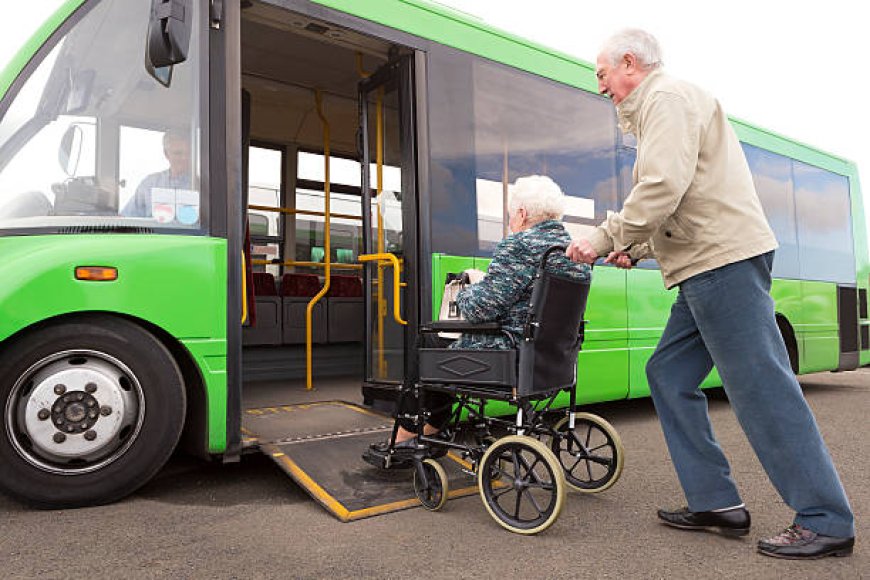
Public transit remains one of the most accessible transportation options for seniors. Many cities offer senior discounts on buses, trains, and subways. In addition to affordability, these systems often include priority seating and wheelchair-accessible features. Seniors can also benefit from special training programs that teach them how to navigate routes confidently. Knowing how to plan trips using transit apps can further empower older adults. With the right support, public transportation can help seniors stay active and socially engaged.
Home-Based Support and Local Caregiver Transport
For seniors who require additional assistance beyond public services, home care in Newport Beach, CA, offers tailored transportation as part of its broader caregiving services. Caregivers can accompany seniors to medical appointments, grocery stores, or community events. These services are especially beneficial for individuals with mobility or memory issues. The personalized approach ensures not only transportation but also emotional support during outings. Seniors feel more secure when traveling with someone familiar, especially for longer or more complex trips.
Ride-Share Apps and Volunteer Driver Programs
Modern ride-share apps like Uber and Lyft have grown into popular transportation options for seniors. These platforms are often quicker than traditional taxis and can be arranged by family members. Some programs now offer senior-friendly versions with customer support and driver training focused on elderly care. Volunteer driver programs through churches or nonprofit organizations also serve as a safe and cost-effective alternative. These programs offer companionship along with transportation, helping to reduce isolation and promote community connection.
Senior Shuttles and Community Vans
Many towns and counties operate senior shuttle services as part of their local aging departments. These are designated vehicles that pick up older adults and transport them to community centers, clinics, or shopping areas. Senior shuttles are reliable, scheduled, and affordable. Some are free or donation-based, making them one of the most accessible transportation options for seniors on fixed incomes. Drivers are often trained to help seniors board and exit safely, further ensuring a stress-free experience.
Medical Transport for Healthcare Appointments
Medical transport services provide a specialized solution for seniors needing rides to hospitals, clinics, or therapy sessions. These services are equipped to assist seniors with walkers, wheelchairs, or other medical needs. Some are covered by insurance or Medicare under certain conditions. This option is especially useful for non-emergency yet essential visits. Helping seniors reach healthcare providers on time improves health outcomes and reduces the risk of missed treatments or miscommunication. Reliability is key when it comes to medical care.
Family and Friends as Informal Transportation Providers
Often, family members or friends become the first line of transportation for aging loved ones. While informal, this option offers flexibility and emotional comfort. Coordinating a shared calendar or schedule can make the process smoother for everyone involved. Some families rotate driving responsibilities, while others rely on nearby neighbors. Maintaining open communication about timing and needs ensures that seniors dont feel like a burden. This approach combines convenience with a familiar, supportive presence during every outing.
Mobility Training and Travel Coaching Programs
To increase confidence in navigating transportation independently, many cities now offer mobility training and travel coaching. These programs are designed to help seniors learn how to use buses, trains, and ride-share apps. They include instruction on reading transit maps, buying tickets, and practicing safe travel habits. These educational services empower seniors to regain their freedom. They are especially beneficial for individuals transitioning from driving to alternative transportation options for seniors, making the process less intimidating.
Exploring Safe Walking and Biking Routes
For active seniors living in walkable neighborhoods, walking and biking can be viable ways to get around. Sidewalks, pedestrian crossings, and bike lanes improve safety and encourage physical activity. Seniors can combine walking with public transit to complete short errands. Its important to assess physical ability and safety before choosing this method. Using a walking cane, mobility scooter, or three-wheel bicycle may offer additional support. These options promote independence while contributing to overall health and wellness.
Choosing the Right Option Based on Needs
Each senior has unique needs, making it essential to choose transportation options thoughtfully. Health conditions, mobility limitations, and cognitive ability all play a role in deciding what will work best. Combining different methods like ride shares for social visits and medical transport for appointments can create a balanced approach. Encouraging seniors to be part of the decision-making process builds trust and comfort. Flexibility and personalization are key when matching individuals with the right transportation options for seniors.
Planning to Reduce Transportation Anxiety
Not having access to a car can cause anxiety, especially when seniors worry about missing appointments or losing social connections. Creating a reliable weekly plan reduces that uncertainty. Use a calendar to track rides, appointments, and errands. Keep a list of transportation contacts in an easy-to-access place. Preparing for change, ike unexpected delays or health shifts, helps ensure continuity of care and travel. Reducing uncertainty makes transportation less stressful and gives seniors the confidence to remain active.
Conclusion
Transportation options for seniors without cars are broader and more accessible than ever before. With thoughtful planning and the right mix of services from public buses to home-based caregiver,s seniors can continue living independently and fully engaged in their communities. Choosing the right options requires communication, flexibility, and awareness of personal needs. By focusing on safety, comfort, and reliability, families can support their loved ones in maintaining mobility, dignity, and the freedom to go where life takes them.