




Lumber Takeoff Services: Precision Planning for Construction Success
In the fast-paced world of construction, where every detail counts, lumber takeoff services have emerged as a critical tool for contractors, builders, and project managers. These services provide precise calculations of the quantity, type, and size of lumber required for a project, ensuring efficient material procurement, cost control, and streamlined project execution. By minimizing waste, preventing delays, and optimizing budgets, lumber takeoff services are indispensable for residential, commercial, and industrial construction projects. This article explores the importance of lumber takeoff services, their benefits, processes, and how technology is transforming this essential aspect of construction planning.

In the fast-paced world of construction, where every detail counts, lumber takeoff services have emerged as a critical tool for contractors, builders, and project managers. These services provide precise calculations of the quantity, type, and size of lumber required for a project, ensuring efficient material procurement, cost control, and streamlined project execution. By minimizing waste, preventing delays, and optimizing budgets, lumber takeoff services are indispensable for residential, commercial, and industrial construction projects. This article explores the importance of
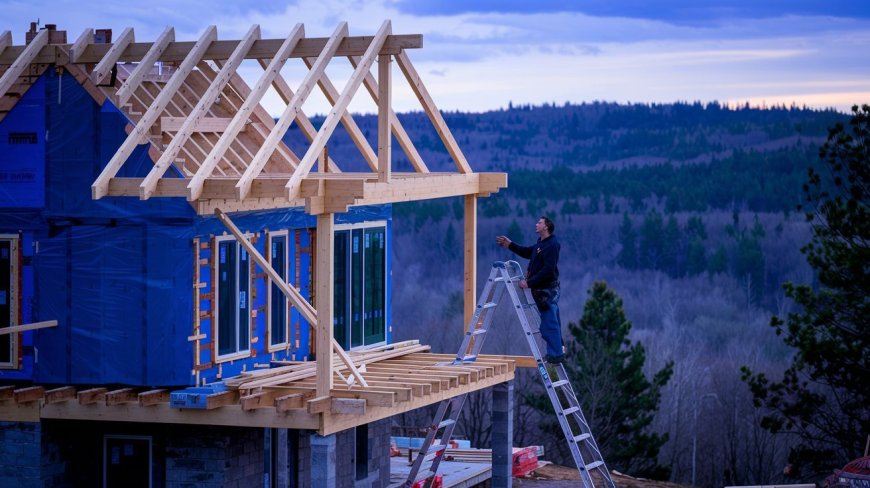
, their benefits, processes, and how technology is transforming this essential aspect of construction planning.
What Are Lumber Takeoff Services?
Lumber takeoff services involve the detailed process of estimating the exact amount of wood and lumber needed for a construction project. This includes quantifying materials such as studs, joists, beams, headers, sheathing, and engineered wood products like laminated veneer lumber (LVL) or glued laminated timber (Glulam). The goal is to create a comprehensive lumber material list that specifies dimensions, quantities, and types of wood, ensuring contractors order only what is necessary.
Unlike general material takeoff services, which cover all construction materials (e.g., concrete, steel, drywall), lumber takeoff focuses exclusively on wood-related components. It requires a deep understanding of construction blueprints, structural requirements, and local building codes. Professional lumber estimators analyze project plans to provide accurate lumber quantity takeoffs, helping contractors avoid over-ordering or under-ordering materials, both of which can lead to costly setbacks.
Why Lumber Takeoff Services Matter
Lumber is a fundamental material in construction, used for framing, roofing, flooring, and more. However, it is also one of the most expensive components, making precise estimation critical for cost efficiency. Inaccurate takeoffs can result in significant financial losses, project delays, and environmental waste. Heres why lumber takeoff services are essential:
-
Cost Management: Overestimating lumber needs leads to purchasing excess materials, tying up capital and incurring disposal costs for unused wood. Underestimating, on the other hand, causes delays as contractors scramble to order additional supplies, often at premium prices. Accurate lumber cost estimates ensure budgets stay on track.
-
Waste Reduction: By calculating the precise amount of lumber required, takeoff services minimize material waste, supporting sustainable construction practices. This reduces disposal costs and aligns with environmental regulations.
-
Time Savings: A detailed lumber cut list allows contractors to order materials in advance, ensuring timely deliveries and preventing project halts due to shortages. This streamlines workflows and keeps projects on schedule.
-
Improved Bidding Accuracy: For contractors, submitting competitive bids is crucial. A precise lumber takeoff enables accurate cost projections, increasing the likelihood of winning bids while maintaining profitability.
-
Client Trust: Providing clients with transparent, reliable cost estimates based on accurate takeoffs builds trust and reduces disputes over budget overruns.
The Lumber Takeoff Process
The lumber takeoff process is methodical and requires expertise to ensure accuracy. Here are the key steps involved:
-
Blueprint Analysis: Estimators start by reviewing architectural and structural drawings to identify all lumber requirements. This includes walls, floors, roofs, and other structural elements.
-
Material Quantification: Each component, such as studs, plates, joists, headers, and sheathing, is quantified based on dimensions and specifications. For example, wall studs may be calculated for standard ceiling heights (e.g., 92-5/8" for an 8-foot ceiling), while beams may involve engineered wood products.
-
Structural Assessment: Load-bearing walls, roof trusses, and other structural elements are analyzed to ensure the correct materials are specified. Roof trusses, for instance, are typically excluded from lumber takeoffs as they are designed by manufacturers.
-
Waste Factor Inclusion: Estimators add a small percentage (typically 5-10%) to account for waste from cutting, damage, or errors, ensuring sufficient materials without over-ordering.
-
Cost Estimation: Using current market rates, estimators provide a lumber cost estimate, detailing material costs in an organized format, often in Excel spreadsheets for easy budgeting.
-
Quality Control: Calculations are double-checked and cross-referenced with project specifications to eliminate errors, ensuring the lumber material list is accurate.
This process is often organized by building floors, starting with lower-level plates and studs, then progressing to beams and joists, mirroring the construction workflow.
Technologys Role in Lumber Takeoff Services
Advancements in technology have revolutionized lumber takeoff services, making them faster, more accurate, and cost-effective. Modern construction estimating software like PlanSwift, Bluebeam, and Estima enables estimators to perform digital takeoffs, reducing the time and errors associated with manual calculations.
AI-powered takeoff software, such as Togal.AI, can process takeoffs in under a minute, enhancing efficiency and collaboration among project teams. These tools allow estimators to upload blueprints in PDF format, automatically measure dimensions, and generate detailed lumber quantity takeoffs.
Additionally, technology facilitates real-time cost updates, accounting for fluctuating lumber prices, which can be a challenge in complex projects. By integrating with supplier databases, estimators can provide location-based pricing, optimizing procurement and reducing costs.
Benefits of Outsourcing Lumber Takeoff Services
Many contractors choose to outsource lumber takeoff services to specialized firms due to the expertise and efficiency they offer. Here are the key advantages:
-
Expertise: Professional lumber estimators have in-depth knowledge of construction techniques, wood types (e.g., SPF, Douglas Fir), and engineered wood products. They adhere to standards set by organizations like the American Association of Cost Engineers (AACE).
-
Time Efficiency: Outsourcing frees up contractors to focus on bidding, project management, and other critical tasks, while estimators deliver takeoffs within 24-48 hours for standard projects.
-
Cost Savings: Hiring in-house estimators involves salaries, training, and software costs. Outsourcing provides access to expert services at a fraction of the cost, with flexible pricing based on project scope.
-
Accuracy: Certified estimators use advanced tools and industry experience to deliver precise lumber takeoffs, reducing the risk of errors and increasing bid success rates.
-
Scalability: Outsourcing firms can handle projects of any size, from single-family homes to high-rise buildings, tailoring services to meet specific needs.
Choosing the Right Lumber Takeoff Service Provider
Selecting a reliable lumber takeoff service provider is crucial for project success. Here are factors to consider:
-
Experience: Choose a provider with a proven track record in your project type (e.g., residential, commercial, industrial).
-
Technology: Ensure they use modern construction estimating software for accurate and timely results.
-
Customization: The provider should offer tailored services, such as lumber hardware lists or millwork takeoffs, to meet unique project requirements.
-
Reliability: Look for firms with fast turnaround times and 24/7 customer support to address urgent needs.
-
Reputation: Check client testimonials and bid success rates (e.g., 98% win-bid ratio) to gauge reliability.
Common Challenges in Lumber Estimation
Despite their benefits, lumber takeoff services face challenges, including:
-
Fluctuating Lumber Prices: Rapid changes in market prices can affect cost estimates, requiring real-time updates.
-
Complex Projects: Multi-story buildings or custom designs may involve multiple lumber types, increasing the risk of errors.
-
Blueprint Errors: Incomplete or unclear plans can lead to inaccurate takeoffs, emphasizing the need for thorough blueprint analysis.
Professional lumber estimators mitigate these challenges through expertise, advanced tools, and close collaboration with contractors and suppliers.
Conclusion
Lumber takeoff services are a cornerstone of efficient construction planning, offering precision, cost savings, and sustainability. By providing accurate lumber quantity takeoffs and lumber cost estimates, these services help contractors avoid waste, stay within budget, and meet project deadlines. With the integration of construction estimating software and AI-powered tools, lumber takeoffs are becoming faster and more reliable, transforming the construction industry. Whether youre building a single-family home or a commercial high-rise, partnering with a professional lumber takeoff service provider ensures your project is set for success. For contractors looking to optimize their next project, outsourcing lumber takeoff services is a smart investment in precision and profitability.