




Chemical Peel Before and After for Hyperpigmentation: A Game-Changer for Uneven Skin Tone

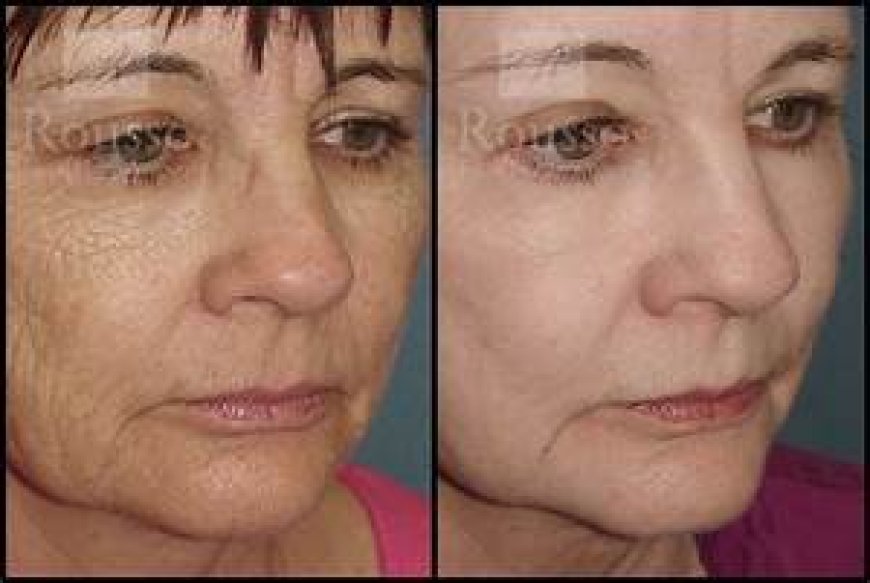
Hyperpigmentation, those stubborn dark spots or uneven patches on your skin, can be frustrating. Whether caused by acne, sun exposure, or aging, these marks can make your skin tone look uneven. A chemical peel is a popular treatment to tackle hyperpigmentation and restore a brighter, more even complexion. But how effective is it? In this article, well explore the "Chemical Peel Before And After" results for hyperpigmentation, how the treatment works, and why it might be a game-changer for your skin. Well keep it simple and clear to help you decide if its right for you.
What Is Hyperpigmentation?
Hyperpigmentation happens when your skin produces too much melanin, the pigment that gives skin its color. This can lead to dark spots, patches, or uneven tone. Common causes include:
-
Post-acne marks: Dark spots left after pimples heal.
-
Sun damage: Brown spots from too much sun exposure.
-
Melasma: Patchy discoloration, often triggered by hormones or sun.
-
Aging: Age spots that appear as you get older.
These issues can make your skin look dull or uneven. A chemical peel can help fade these marks, and the "chemical peel before and after" results often show a noticeable improvement.
What Is a Chemical Peel?
A chemical peel is a skin treatment where a dermatologist applies a special solution to your face. This solution removes the top layers of damaged skin, revealing fresher, smoother skin underneath. The solution usually contains acids like glycolic, salicylic, or lactic acid. There are three types of peels:
-
Light peels: These target the outer skin layer and are great for mild hyperpigmentation.
-
Medium peels: These go deeper to treat more stubborn dark spots or uneven tone.
-
Deep peels: These are the strongest, used for severe pigmentation or deeper skin issues.
The type of peel you get affects the "chemical peel before and after" results and how much your hyperpigmentation improves.
How Chemical Peels Help Hyperpigmentation
Chemical peels work by exfoliating the skin, removing the top layers where excess melanin often sits. This process helps fade dark spots and promotes new, even-toned skin growth. The treatment also boosts collagen, which keeps your skin smooth and healthy. Depending on the peel, it can:
-
Lighten post-acne marks and sunspots.
-
Reduce melasma patches.
-
Even out overall skin tone for a brighter look.
The "chemical peel before and after" effects can make your skin look clearer and more radiant, especially for those struggling with uneven tone.
Preparing for a Chemical Peel
Before getting a chemical peel for hyperpigmentation, youll need to prep your skin. Your dermatologist may suggest:
-
Stopping products like retinoids or exfoliants a few days before the peel.
-
Avoiding sun exposure, as it can make your skin more sensitive.
-
Using a gentle cleanser and moisturizer to keep your skin healthy.
Youll also have a consultation to discuss your skin concerns and choose the right peel. This step ensures the best "chemical peel before and after" results for your hyperpigmentation.
Also Read: What is Lepbound
The Chemical Peel Process
During the treatment, the dermatologist cleans your skin and applies the chemical solution. You might feel a tingling or slight burning sensation, which is usually mild for light or medium peels. Deep peels may need numbing because theyre more intense. The solution stays on for a set time before its neutralized or washed off.
After the peel, your skin may look red, feel tight, or start peeling within a few days. This peeling can last a few days for light peels or up to a week for medium or deep peels. Proper aftercare is crucial for seeing great "chemical peel before and after" results.
Chemical Peel Before and After: Results for Hyperpigmentation
The "chemical peel before and after" results for hyperpigmentation depend on the peel type and the severity of your dark spots. Heres what you might notice:
-
Light peels: These are ideal for mild hyperpigmentation, like post-acne marks or light sunspots. Within a few days, your skin may look brighter, with faded dark spots. Results are subtle but can improve with multiple sessions.
-
Medium peels: These work well for melasma or more noticeable sun damage. After one to two weeks, dark patches may lighten significantly, and your skin tone may look more even.
-
Deep peels: These target severe hyperpigmentation. Results take up to a month to fully appear but can dramatically reduce stubborn dark spots and uneven tone.
Before the peel, your skin might have dark spots, patchy areas, or a dull appearance. After the peel, youll likely see a brighter, more uniform complexion. Photos of "chemical peel before and after" often show a big difference, especially for moderate hyperpigmentation.
How Long Do Results Last?
The duration of "chemical peel before and after" results depends on the peel type and your skincare habits:
-
Light peels: Results last one to two months. Monthly treatments can help maintain the brighter tone.
-
Medium peels: Results can last three to six months, especially for melasma or sunspots.
-
Deep peels: Results can last years for severe hyperpigmentation, but these are usually a one-time treatment.
Sun exposure, hormones, or poor skincare can cause hyperpigmentation to return, so ongoing care is important.
Tips to Make Results Last Longer
To maximize the "chemical peel before and after" effects for hyperpigmentation, follow these simple tips:
-
Wear sunscreen daily: Use SPF 30 or higher to protect against UV rays, which can trigger new dark spots.
-
Moisturize regularly: Hydrated skin heals better and stays smooth.
-
Avoid picking at peeling skin: Let your skin heal naturally to prevent irritation or new pigmentation.
-
Use gentle products: Skip harsh scrubs or acids for at least a week after the peel.
-
Consider maintenance peels: Regular light or medium peels can keep hyperpigmentation at bay.
-
Support skin health: Eat a balanced diet and drink plenty of water to help your skin recover.
Your dermatologist can recommend products, like vitamin C serums, to enhance the "chemical peel before and after" results.
Are There Any Risks?
Chemical peels are generally safe when done by a professional, but risks include redness, irritation, or changes in skin color, especially for darker skin tones. Medium and deep peels have a higher risk of side effects. Choosing a qualified dermatologist and following their aftercare advice can help avoid issues.
Conclusion
Chemical peels can be a game-changer for hyperpigmentation, helping you achieve a brighter, more even skin tone. The "chemical peel before and after" results show faded dark spots, reduced melasma, and a smoother complexion. Light peels work well for mild issues, while medium and deep peels tackle more stubborn pigmentation. Results can last from a few months to years, depending on the peel and how you care for your skin. By using sunscreen, moisturizing, and following a gentle skincare routine, you can extend the benefits. If hyperpigmentation is affecting your confidence, talk to a dermatologist to see if a chemical peel is right for you. With proper care, the "chemical peel before and after" transformation can give you the radiant skin youve been dreaming of.