




How to Build a Scalable Turo Clone: A Guide for Entrepreneurs and Investors
Discover key strategies to create a scalable Turo clone app with features, tech stack, and challenges for entrepreneurs and investors entering the car rental market.

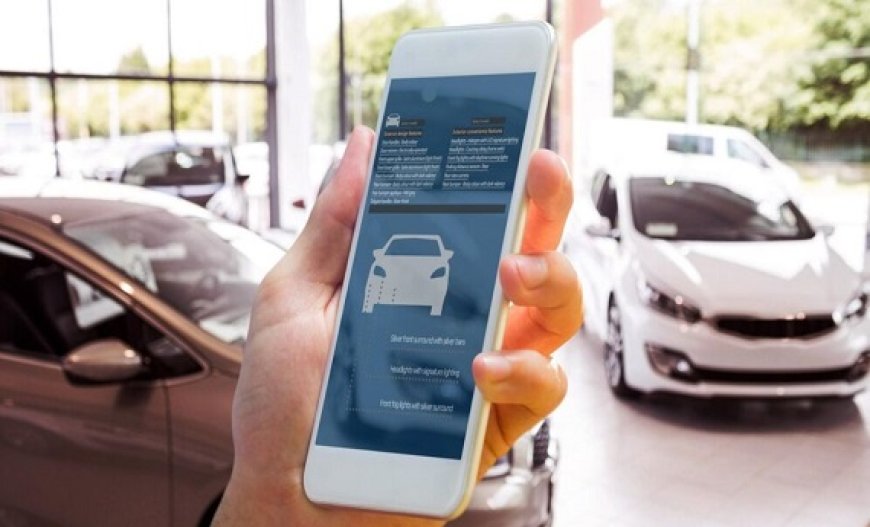
The sharing economy has revolutionized the way we access goods and services, and car rentals are no exception. Among the pioneers in peer-to-peer car sharing, Turo stands out as a shining example of how technology can reshape traditional industries. For entrepreneurs and investors eyeing the mobility sector, building a Turo clone represents an exciting and potentially lucrative opportunity.
Suppose youre considering how to create a car rental app like Turo or want to understand the key steps to develop a scalable and efficient car rental management software. In that case, this guide will walk you through the essentials in a clear, approachable manner. Whether youre an entrepreneur ready to dive into on-demand app development or an investor looking to back the right project, understanding the foundations of building a Turo-like app is crucial.
Understanding the Potential of a Turo Clone
Before diving into the technical and strategic aspects of building a Turo clone, its helpful to grasp why this type of platform is gaining momentum. Traditional car rental services often come with limitations: limited vehicle options, strict rental policies, and inconvenient pick-up and drop-off locations. In contrast, platforms like Turo enable vehicle owners to rent out their cars directly to users, creating an expansive, flexible, and more affordable network.
This peer-to-peer model not only benefits car owners and renters but also creates new revenue channels and improves resource utilization. For businesses, this opens the door to innovating in car rental management software and transforming the user experience by leveraging smart technology and seamless operations.
Key Elements of a Scalable Turo Clone
Building a Turo clone is more than copying an apps interface; its about developing a reliable, scalable, and user-friendly platform that balances the needs of car owners, renters, and administrators. Heres what you should focus on:
User Experience and Interface
A smooth, intuitive interface is non-negotiable. Both car owners and renters should be able to navigate the app effortlessly. From easy vehicle listing to hassle-free booking and secure payments, the user journey needs to be seamless. Features like real-time availability, dynamic pricing, and transparent reviews build trust and encourage repeated use.
Robust Backend Infrastructure
Scalability depends heavily on the apps backend architecture. As user numbers grow, your system must handle increasing data loads, including vehicle listings, booking requests, and payments, without slowing down. Choosing cloud-based solutions and microservices architecture often provides the flexibility needed for growth.
Comprehensive Vehicle Management
A core function of any car rental management software is keeping track of vehicles, their availability, maintenance schedules, and owner details. An integrated dashboard for owners to update listings, set prices, and manage rentals boosts efficiency and satisfaction.
Secure and Flexible Payment Integration
Handling payments securely is critical. Support for multiple payment options and currencies, coupled with fraud detection and easy refunds, ensures smooth financial transactions that inspire confidence.
Location-Based Services
Since car rentals depend on physical vehicle availability, incorporating accurate GPS tracking, location-based searches, and map integrations enhances convenience for users.
Legal and Insurance Compliance
Operating a Turo-like app requires adherence to regional transportation regulations, insurance policies, and liability frameworks. Automating contract agreements and insurance verification within the app can streamline these processes.
Choosing the Right Technology Stack
When you decide to build a Turo clone, the technology stack you select influences your apps performance and scalability. Common frameworks include React Native or Flutter for cross-platform mobile development and Node.js or Python Django for backend services. Cloud providers like AWS or Google Cloud can offer scalable infrastructure with high availability.
Working with an experienced on demand app development company can guide you through this choice, ensuring the architecture is optimized from day one.
Building for Scalability: What It Really Means
Scalability isnt just about handling more usersits about maintaining consistent performance and user experience as your platform grows. For a Turo clone, this means:
-
Efficient database management to handle millions of bookings and listings.
-
Load balancing and auto-scaling server capabilities.
-
Modular code architecture that allows adding new features without disrupting existing services.
-
Real-time data synchronization for bookings and availability.
Building these elements into your app early on saves headaches later and sets the stage for sustainable growth.
The Role of Marketing and User Acquisition
Developing a scalable Turo clone is just one side of the coin. Attracting and retaining usersboth car owners and rentersis critical for success. While the apps usability and features play a big role, marketing strategies tailored to your target audience will drive adoption.
Understanding market demographics, partnerships with local businesses, and incentives for early adopters can create a strong initial user base. Data analytics integrated within your car rental management software can then help refine your marketing approach over time.
Challenges to Anticipate
While the concept of building a Turo clone is promising, there are challenges to prepare for:
-
Regulatory hurdles: Varying laws across regions may complicate operations.
-
Insurance complexities: Offering adequate coverage while keeping costs manageable can be tricky.
-
Trust and safety: Ensuring vehicle condition, user identity verification, and dispute resolution mechanisms is vital.
-
Competitive landscape: Differentiating your platform in a market with established players requires innovation and agility.
Addressing these challenges proactively strengthens your business model and builds credibility.
Why Partner with an On Demand App Development Company?
Developing a sophisticated app like a Turo clone requires deep expertise in mobile and backend development, UI/UX design, security, and scalability. Collaborating with a specialized on demand app development company can accelerate your journey by providing:
-
Proven development methodologies and best practices.
-
Tailored solutions aligned with your business goals.
-
Ongoing technical support and maintenance.
-
Guidance on compliance and industry standards.
This partnership allows entrepreneurs and investors to focus on strategy and growth while entrusting the technical complexities to experts.
Conclusion
Building a scalable Turo clone is a promising venture that taps into the growing demand for peer-to-peer car sharing and flexible mobility solutions. By focusing on user experience, robust infrastructure, compliance, and smart technology choices, entrepreneurs and investors can position themselves for success in this evolving market.
Whether youre looking to create a car rental app like Turo or develop powerful car rental management software, understanding the key elements and challenges is essential. Partnering with the right on demand app development company can make the difference between a good idea and a thriving business.
With thoughtful planning and execution, your Turo clone can become a scalable platform that redefines car sharing in your target market.