



Pelvic Inflammatory Disease (PID): Symptoms & Treatment

What Is Pelvic Inflammatory Disease (PID)?
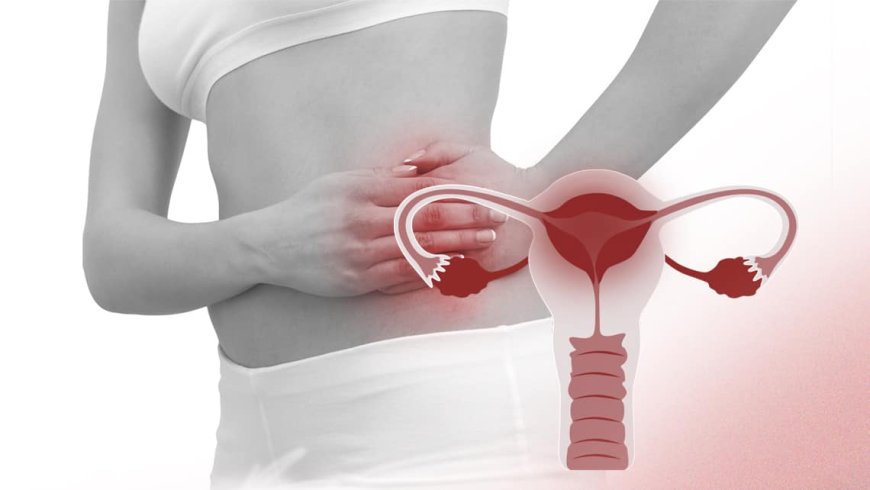
Pelvic Inflammatory Disease (PID) is an infection of the female reproductive organs, including the uterus, fallopian tubes, and ovaries. Its a serious condition that develops when bacteria move upward from the vagina or cervix. PID is often linked to sexually transmitted infections (STIs), but it can also result from non-sexual causes.
How PID Develops
The infection usually starts in the vagina and travels up into the pelvic organs. If left untreated, it can cause permanent damage, including infertility, chronic pain, and complications in future pregnancies. Early detection and proper treatment can prevent most of these issues.
Common Causes of PID
Sexually Transmitted Infections (STIs)
Chlamydia and gonorrhea are the leading causes of PID. Often, these infections go unnoticed due to a lack of symptoms but can cause severe internal damage when they reach the upper reproductive tract.
Non-STI Infections
Other bacteria from the vaginasuch as those introduced during childbirth, miscarriage, or abortioncan also cause PID. Even routine procedures like IUD insertion can introduce bacteria into the uterus if not done under sterile conditions.
Other Risk Factors
Multiple sexual partners, a new sexual partner, or douching (which disrupts the natural vaginal flora) can increase the risk of PID. So can previous pelvic infections or untreated STIs.
Who Is at Risk?
Age and Sexual Activity
PID mostly affects women under 25 who are sexually active, particularly those who dont use barrier contraception like condoms.
Contraceptive Use
Some contraceptives, like IUDs, slightly increase PID risk during the first few weeks after insertion. However, condoms lower the risk significantly by protecting against STIs.
Medical Procedures
Procedures that open the cervixsuch as endometrial biopsy or surgical abortionscan introduce bacteria, increasing the chance of pelvic infection.
Symptoms of Pelvic Inflammatory Disease
Early Symptoms
Lower abdominal pain
Pain during sex
Unusual or foul-smelling vaginal discharge
Irregular menstrual bleeding
Fever and chills
These symptoms may appear mild or vague at first, making PID easy to miss. But dont ignore themthey can get worse quickly.
Severe or Chronic Symptoms
Severe pelvic or lower abdominal pain
Painful urination
Vomiting or fainting (in acute cases)
Shoulder pain (a sign of ectopic pregnancy)
Complications from Untreated PID
If not treated promptly, PID can cause:
Infertility due to fallopian tube damage
Chronic pelvic pain
Ectopic pregnancy, which can be life-threatening
How PID Is Diagnosed
Physical Exam and Medical History
Your doctor will perform a pelvic exam to check for tenderness in the uterus, ovaries, or cervix. Theyll also ask about your sexual history, symptoms, and recent medical procedures.
Laboratory Tests and Imaging
Tests may include:
Cervical swabs for STIs
Blood tests to detect infection
Ultrasound to view the reproductive organs
Laparoscopy and Biopsy (if needed)
In rare cases, a small camera may be inserted into the abdomen to directly view the pelvic organs. Tissue samples might be taken for further analysis.
Treatment Options for PID
Antibiotics
Most PID cases respond well to a combination of oral and injectable antibiotics. Treatment usually starts immediatelyoften before test results confirm the diagnosisto avoid complications.
Hospitalization
You may need to be hospitalized if:
You're severely ill
Oral antibiotics arent working
Youre pregnant and have PID
Surgery (in rare cases)
If an abscess (a pus-filled pocket) forms and doesnt respond to medication, it may need to be surgically drained or removed.
Living With PID
Managing Pain and Recurrence
Even after treatment, some women experience lingering pain or recurring infections. Follow-up appointments and avoiding high-risk behaviors are essential to prevent re-infection.
Fertility Concerns
PID can scar the fallopian tubes, making it hard to conceive. If youre planning a pregnancy after PID, consult a fertility specialist for assessment and guidance.
Prevention of Pelvic Inflammatory Disease
Safe Sex Practices
Use condoms consistently and get tested regularly for STIs. Limiting your number of sexual partners also reduces your risk.
Regular Screenings
Routine STI screenings, especially if you're under 25 or have multiple partners, can catch infections before they cause damage.
Post-Procedure Hygiene and Caution
After medical procedures involving the uterus, follow all hygiene guidelines and avoid sex for the recommended recovery period.
Long-Term Effects of PID
Infertility and Ectopic Pregnancy
Up to 1 in 10 women with PID will experience infertility. The damaged fallopian tubes may also increase the risk of an ectopic pregnancya dangerous condition where a fertilized egg implants outside the uterus.
Chronic Pelvic Pain
This pain can last for months or years and significantly reduce quality of life. It often results from internal scarring or inflammation caused by untreated PID.
Recurrent PID
Even after treatment, it's possible to get PID againespecially if the underlying cause (like an untreated partner) isnt addressed.
Emotional and Relationship Impact
Communication With Partners
Being diagnosed with PID can raise awkward questions and trust issues in relationships. Honest, respectful communication is vital.
Support and Counseling
Dont hesitate to seek professional counselling with the best gynecologist through Instacare if youre struggling with emotions related to PID or fertility concerns. You're not alone, and help is available.
Conclusion
Pelvic Inflammatory Disease is serious but treatableespecially if caught early. Understanding the symptoms, causes, and prevention strategies can help protect your reproductive health and avoid future complications. Prioritize regular checkups, safe sex, and prompt treatment for any unusual symptoms. Your health is worth it.
FAQs
1. Can PID go away on its own?
No. PID requires antibiotic treatment. Without it, the infection can cause permanent damage to your reproductive organs.
2. Is PID contagious?
PID itself isnt contagious, but the infections that cause itlike chlamydia and gonorrheaare sexually transmitted.
3. How fast does PID progress?
Symptoms can develop within days of infection, but damage can begin even before symptoms appear. Early treatment is key.
4. Can you get PID without having an STD?
Yes, though its less common. Bacteria introduced during childbirth, miscarriage, or gynecological procedures can also lead to PID.
5. Can PID come back after treatment?
Yes. If the infection isnt completely cleared or if youre reinfected by an untreated partner, PID can recur.