




Why GMP Certification Is Your Secret Sauce for Success in Food and Beverage

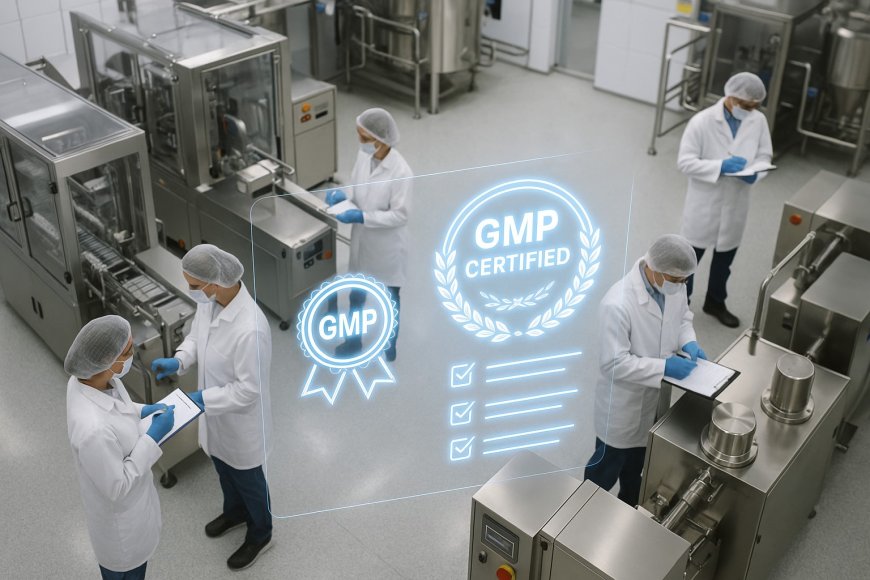
Picture this: youre running a bustling food production line, bottles of artisanal soda fizzing off the conveyor or packets of organic granola piling up, ready to hit store shelves. Everythings humming alonguntil a customer finds something off in their snack bar. Suddenly, youre scrambling, wondering how a tiny slip could spiral into a big headache. Thats where Good Manufacturing Practices, or GMP, swoops in like a culinary superhero. For food and beverage manufacturers, GMP certification isnt just a badge; its a promise to your customers that youre delivering quality, safety, and trust in every bite or sip. So, lets unpack what GMP certification really means, why it matters, and how it can give your business a leg up in a crowded market.
What Exactly Is GMP Certification?
Youve probably heard the term GMP thrown around in industry circles, but whats the deal? At its core, GMP stands for Good Manufacturing Practicesa set of guidelines that ensure your products are consistently produced and controlled to meet quality standards. Think of it as a recipe for reliability. Whether youre whipping up dietary supplements, craft beverages, or frozen meals, GMP covers everything from how you clean your equipment to how you train your staff. Its about making sure every step of your process is squeaky cleanliterally and figuratively.
Why does this matter? Because in the food and beverage world, one misstep can tarnish your brand faster than you can say recall. GMP certification shows youve got systems in place to prevent those missteps. Its not about perfection; its about consistency. And honestly, who doesnt want a little more peace of mind when their product is in someones pantry?
The Heart of GMP: Its All About the Details
GMP isnt a one-size-fits-all checklist. Its more like a philosophy, guiding you to pay attention to the nitty-gritty details that make or break product quality. Were talking about things like:
Keeping your production area spotless to avoid contamination.
Training your team to handle ingredients like theyre handling gold.
Documenting every step so you can trace a product back to its roots if something goes wrong.
Regularly checking equipment to make sure its not sabotaging your process.
It sounds like a lot, but heres the thing: these steps build trust. When customers see that GMP logo on your packaging, they know youre not cutting corners. And in a world where people are more skeptical than ever about what they eat, that trust is pure gold.
Why Should Food and Beverage Manufacturers Care?
Lets be realrunning a food or beverage business is no walk in the park. Youre juggling suppliers, production schedules, and a million other things, all while trying to stand out in a market packed with competitors. So why add GMP certification to your plate? Because its not just about checking a box; its about setting yourself apart.
Standing Out in a Crowded Market
Imagine youre a small-batch coffee roaster trying to get your beans into a trendy caf. The buyers got a stack of options from suppliers who all claim their coffee is the best. But if youve got GMP certification, youre not just selling coffeeyoure selling reliability. That certification tells buyers youve got your act together, from sourcing beans to packaging them. Its like a handshake that says, You can count on us.
Plus, as more consumers demand transparency about whats in their food, GMP certification is a way to show youre listening. Its not just about making a great-tasting product anymore; its about proving youre doing it the right way. And in 2025, with social media amplifying every customers voice, that proof can make or break your reputation.
Saving Money in the Long Run
Heres a little food for thought: investing in GMP certification can actually save you cash. How? By catching problems before they snowball. A solid GMP system helps you spot issueslike a faulty batch of ingredients or a sanitation slipbefore they turn into costly recalls or, worse, a PR nightmare. Think of it like maintaining your car: a little upkeep now prevents a breakdown later.
I once heard about a small beverage company that skipped GMP because they thought it was too expensive. A year later, they had to pull thousands of bottles off shelves because of a contamination issue. The cost of that recall? Way more than the certification wouldve been. Sometimes, cutting corners ends up costing you an arm and a leg.
How GMP Certification Works in the Real World
So, what does GMP certification look like in action? Its not about filling out a form and calling it a day. Its a processone that requires commitment but pays off in spades. Heres a glimpse of whats involved.
Building a GMP System That Fits Your Business
First off, GMP isnt about forcing your business into a rigid mold. Whether youre a mom-and-pop bakery or a large-scale supplement manufacturer, you tailor GMP practices to your setup. You start by assessing your current processeseverything from how you store raw materials to how you label your products. Then, you identify gaps and create systems to fill them.
For example, lets say youre making protein bars. GMP might push you to double-check how youre storing your nuts and seeds to prevent spoilage. Or it might mean setting up a better system for tracking batches so you can pinpoint exactly where a problem started if something goes wrong. Its like building a safety net for your business.
Getting Certified: The Journey
Once your GMP system is in place, youll work with a third-party auditor to get certified. These folks arent here to trip you uptheyre like coaches, helping you fine-tune your processes. Theyll check things like your sanitation protocols, employee training records, and quality control measures. If everythings up to snuff, you get that shiny GMP certification.
But heres a heads-up: certification isnt a one-and-done deal. Youll need to keep up those standards and get re-audited periodically. Its like going to the gymyou dont get fit once and call it quits. Youve got to keep at it to stay in shape.
The Emotional Payoff: Trust and Pride
Lets take a step back for a second. Beyond the logistics, theres something deeply satisfying about GMP certification. Its not just about meeting standards; its about knowing youre doing right by your customers. Every time you ship a product, youre sending a little piece of your business out into the world. GMP certification means you can stand behind that product with confidence.
And you know what? That confidence spills over to your team. When your employees see the care you put into quality, they take pride in their work. Its like a ripple effectbetter processes lead to happier workers, which leads to better products, which leads to happier customers. Who wouldnt want that kind of cycle in their business?
A Nod to the Bigger Picture
In 2025, the food and beverage industry is more dynamic than ever. Trends like plant-based diets, functional foods, and sustainable packaging are reshaping what customers expect. GMP certification isnt just about keeping up with these trendsits about staying ahead. It shows youre not just chasing fads but building a foundation for long-term success.
Take the rise of functional beverages, for example. People are sipping kombucha and adaptogen-infused drinks like theyre going out of style. But with that popularity comes scrutiny. Customers want to know their wellness drink isnt just a fancy labelthey want proof its safe and high-quality. GMP certification is that proof, plain and simple.
Making GMP Work for You
So, how do you get started? Its not as daunting as it sounds. Begin by learning the GMP guidelines relevant to your industryresources like the FDAs website or industry groups like the Natural Products Association can point you in the right direction. Then, take a hard look at your current processes. Where can you tighten things up? Maybe its better training for your staff or a more robust cleaning schedule.
Next, consider bringing in a consultant who knows the ins and outs of GMP. They can help you build a system thats practical for your business, not just a cookie-cutter solution. And when youre ready, find a reputable auditor to guide you through the certification process. Companies like NSF International or SGS are well-known in the industry and can help you navigate the journey.
A Word of Encouragement
Heres the thing: GMP certification might feel like a big leap, especially if youre a smaller operation. But its worth it. Not just for the credibility or the cost savings, but for the peace of mind. Knowing youre delivering a product you can stand behind? Thats priceless. And in a world where trust is hard to come by, GMP certification is like a warm handshake to your customers, saying, Weve got you.
So, whats stopping you? If youre ready to take your food or beverage business to the next level, GMP certification is the way to go. Its not just about making better productsits about building a better business. One thats ready to thrive, no matter what the market throws your way.