



How Healthcare Software Development Solutions Enhance Data Security?
Learn how healthcare software development solutions enhance data security with robust encryption, secure access controls, and compliance with regulations.

In todays digital world, data security is more important than everespecially in the healthcare industry. With hospitals and clinics relying heavily on digital tools to store, manage, and share sensitive patient information, keeping this data secure is no longer a luxuryits a necessity. Thats where healthcare software development solutions come into play. These solutions are specifically built to handle healthcare data with the highest standards of safety, compliance, and privacy. Whether it's Electronic Health Records (EHR), medical billing systems, telemedicine apps, or patient portals, software plays a key role in protecting patient data.
In this blog, we will explore how healthcare software development solutions help in improving data security, the role of custom software, key features that safeguard health records, and the future of secure healthcare technology.
Why Data Security Matters in Healthcare
Patient Trust and Confidentiality
Patients share extremely personal and sensitive data with healthcare providersdetails about their health, lifestyle, medications, and even mental health. This information needs to be protected at all costs because once its leaked, it can never be taken back. A secure healthcare system helps maintain the trust patients place in their doctors and hospitals.
Rise in Cyber Threats
Healthcare data is a hot target for cybercriminals because it contains complete identity profiles. In recent years, hospitals around the world have suffered data breaches that exposed thousands, even millions, of patient records. This has pushed the need for strong software solutions that can defend against such threats.
Legal and Regulatory Compliance
Healthcare organizations must comply with strict data privacy laws such as HIPAA (in the U.S.), GDPR (in Europe), and others around the world. Failure to follow these laws not only leads to fines but can damage a providers reputation. Healthcare software must be built with these regulations in mind to ensure full compliance.
Key Features of Healthcare Software That Improve Data Security
End-to-End Encryption
One of the most basic yet powerful tools in data security is encryption. With end-to-end encryption, data is scrambled into unreadable text that can only be unlocked by the intended recipient. This ensures that even if hackers manage to access the data, they cant understand or use it.
Multi-Factor Authentication (MFA)
MFA adds an extra layer of security by requiring users to verify their identity using two or more methodssuch as a password and a code sent to their phone. This significantly reduces the chances of unauthorized access to healthcare systems.
Role-Based Access Control
Healthcare software often uses role-based access control, which means only authorized personnel can access certain data. For instance, a nurse may only be allowed to view patient charts, while an admin might handle billing information. This helps minimize the risk of internal data misuse.

Regular Security Updates and Patch Management
Software development companies continuously monitor the systems they build and roll out updates to fix any bugs or vulnerabilities. These regular updates are crucial to protecting the system from newly discovered threats and attacks.
Data Backup and Disaster Recovery
Even with the best security, accidents can happen. A well-designed healthcare system will automatically back up data regularly and have a disaster recovery plan in place. This ensures data can be quickly restored in the event of a breach or system crash.
Custom Healthcare Software vs. Off-the-Shelf Solutions
Tailored Security Measures
Custom-built healthcare software is developed with the specific needs and workflows of a medical organization in mind. This allows developers to include stronger and more relevant security features compared to generic, off-the-shelf software, which may not cover all security needs.
Better Integration with Existing Systems
Healthcare providers often use several tools, such as lab management software, appointment schedulers, and EHRs. Custom solutions can be securely integrated with these systems to ensure smooth data flow without creating security gaps.
Regular Monitoring and Support
When a healthcare organization partners with a software development company, they often receive ongoing support and maintenance. This means any potential security threats are identified and handled quickly, helping to prevent bigger issues.
How Telemedicine Software Ensures Secure Remote Consultations
Telemedicine has revolutionized the way patients receive care, especially since the COVID-19 pandemic. However, remote consultations open up a new door to data risks. Thats why telemedicine platforms need to be extra secure.
Developers now build telemedicine software with features like secure video calls, encrypted chat systems, and protected cloud storage. These tools make sure that everything discussed between doctor and patient remains private and protected. They also use secure login systems and compliance frameworks to meet healthcare regulations.
Importance of Compliance in Secure Healthcare Software
HIPAA Compliance
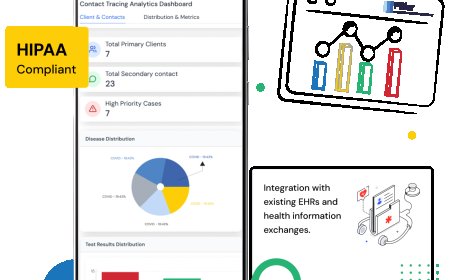
In the U.S., the Health Insurance Portability and Accountability Act (HIPAA) sets the standard for protecting patient information. Software development companies that work in the healthcare sector are well-versed in HIPAA rules and build their applications accordingly. This includes features like access logs, secure data transmission, and audit trails.
GDPR Compliance
In Europe, the General Data Protection Regulation (GDPR) applies similar principles to HIPAA but with broader user rights. For instance, patients can request access to their data, ask for corrections, or even demand that their data be deleted. Software needs to support all these rights while still maintaining security.
Other Regional Laws
Many countries have their own healthcare data regulations, such as the Data Protection Act in the UK or the Personal Data Protection Bill in India. Custom healthcare software is designed to comply with local laws as required.
Read more: How a Healthcare Software Development Consultation Can Streamline Compliance?
The Role of Artificial Intelligence in Healthcare Data Security
AI and machine learning are starting to play a big role in healthcare data protection. Smart algorithms can monitor systems 24/7, detect suspicious activity in real-time, and even predict future security threats based on usage patterns. For instance, if someone tries to access medical records outside of working hours or from a different country, the system can automatically block that access and alert the admin.
AI also helps identify gaps in security and suggests better practices. This proactive approach to healthcare software development is helping healthcare organizations stay ahead of cyber threats.
Challenges in Maintaining Data Security in Healthcare
Legacy Systems
Many hospitals still use old systems that arent designed to handle todays cybersecurity threats. These systems often cant be updated or patched, making them easy targets for hackers.
Human Error
No matter how secure a system is, human mistakes can still pose risks. For example, a doctor might leave a laptop unattended or click on a suspicious email. Healthcare software developers try to reduce these risks by creating user-friendly interfaces and adding safety nets, like automatic timeouts.
High Volume of Data
Healthcare systems deal with massive amounts of data daily. This includes prescriptions, X-rays, lab results, and insurance details. Managing and securing such large volumes is a big task, but modern software solutions are built to handle this load efficiently and securely.
Future of Data Security in Healthcare Software
Looking ahead, data security in healthcare will only get tighter. Developers are now exploring blockchain technology to create tamper-proof records. Biometrics like fingerprint and facial recognition are also being added to access systems. As more wearable devices and health monitoring apps enter the market, security measures will continue to evolve to protect this expanding network.
Software companies are also working on making healthcare systems more transparent, where patients have more control over their data and can see how it's being used. This approach not only improves security but also builds trust between patients and providers.
Conclusion
Healthcare software development solutions are not just about building fancy platforms for doctors and hospitals. They play a critical role in keeping patient information secure from cyber threats, accidental leaks, and misuse. From encryption and role-based access to AI-powered monitoring and regular updates, these solutions are built with safety as a top priority.
As more healthcare providers shift to digital systems, the need for reliable and secure software will continue to grow. Working with a trusted clone app development company that understands healthcare regulations and can build custom security features will ensure your systems are not only efficient but also fully protected.
FAQs
What is the most important security feature in healthcare software?
Encryption is considered one of the most important features. It ensures that even if data is intercepted, it cant be read or misused.
How does role-based access control help in healthcare security?
It limits access to sensitive information based on a person's job role. This way, only authorized staff can view or edit certain types of patient data.
Are telemedicine apps safe for sharing personal health details?
Yes, modern telemedicine apps use encryption, secure logins, and compliance frameworks like HIPAA to ensure patient data stays private.
How can healthcare providers protect against internal data breaches?
Training staff, using strong password policies, and implementing role-based access and logging systems can help reduce the risk of internal breaches.
Why is compliance important in healthcare software development?
Compliance with laws like HIPAA or GDPR ensures that the software meets legal standards for privacy and data protection, helping avoid penalties and build trust.