



How Intraoral Scanners Improve Your Orthodontic Treatment
Intraoral scanners provide precise, comfortable digital impressions for orthodontic treatments like Invisalign, delivering faster, more accurate results every time.

Orthodontic treatment has evolved dramatically thanks to modern technology. One of the most exciting developments is the use of intraoral scanners, devices that provide precise digital images of your teeth and gums. These scanners replace the traditional method of taking impressions with uncomfortable trays and putty. They offer a more accurate, comfortable, and quicker way to plan and monitor orthodontic care. Understanding how intraoral scanners work can help you appreciate the benefits and what to expect during your treatment journey.
What Is an Intraoral Scanner?
An intraoral scanner is a handheld device that captures high-resolution, three-dimensional images of the inside of your mouth. Instead of biting into gooey impression material, the scanner uses light to capture a detailed digital map of your teeth and gums.
The data is instantly transformed into a digital 3D model, which orthodontists use to design treatment plans, fabricate appliances like braces or aligners, and track progress over time.
Traditional Impressions vs Digital Scans
Before intraoral scanners became widely available, taking dental impressions was a manual process involving trays filled with putty-like material that you had to bite down on and hold in place. This method can be uncomfortable and sometimes inaccurate if the impression material shifts or bubbles form.
In contrast, digital scanning eliminates these issues. The scanner gently glides over your teeth, capturing images in real-time, and creating a highly detailed digital replica without the mess or discomfort.
Key Differences at a Glance
|
Aspect |
Traditional Impressions |
Intraoral Scanners |
|
Comfort |
Can cause gagging or discomfort |
Generally comfortable and quick |
|
Accuracy |
Risk of bubbles and distortions |
Highly precise digital images |
|
Time Required |
Several minutes plus setting time |
Around 510 minutes |
|
Material Waste |
Use of impression materials |
Virtually no waste |
|
Data Handling |
Physical moulds, fragile to store |
Digital files, easy to store/share |

Benefits of Intraoral Scanners in Orthodontic Treatment
Enhanced Accuracy and Precision
One of the biggest advantages of intraoral scanners is the accuracy of the impressions. Orthodontic treatments, especially those involving clear aligners like Invisalign, require extremely precise models to ensure a perfect fit. Using digital scans reduces the chances of errors that could lead to ill-fitting appliances and delays in treatment.
Many clinics offering InvisalignPrivate dentist in BelfastRely heavily on this technology to tailor aligners precisely to individual mouths, improving both comfort and treatment outcomes.
Speeding Up the Process
Digital impressions can be sent instantly to labs or design software, removing the postal delays associated with physical models. This faster turnaround can significantly reduce waiting times for appliances like braces or Invisalign aligners, meaning treatment can begin sooner.
Moreover, the ease of repeating scans during follow-up appointments helps orthodontists quickly assess progress without the hassle of new impressions.
Improved Patient Comfort
Traditional impressions can be uncomfortable, especially for those with sensitive gag reflexes or anxiety. The smooth, non-invasive nature of intraoral scanning is far more patient-friendly, allowing you to relax during the process.
This comfort factor encourages better patient compliance and willingness to attend necessary appointments, crucial for successful orthodontic treatment.
Better Communication with Patients
Intraoral scanners offer a visual tool that helps orthodontists explain treatment plans clearly. Patients can see 3D images of their teeth, understand the current issues, and visualise how treatment like Invisalign will improve their smile over time. This transparency builds trust and makes the process feel less daunting.
How Intraoral Scanners Work with Invisalign Treatment
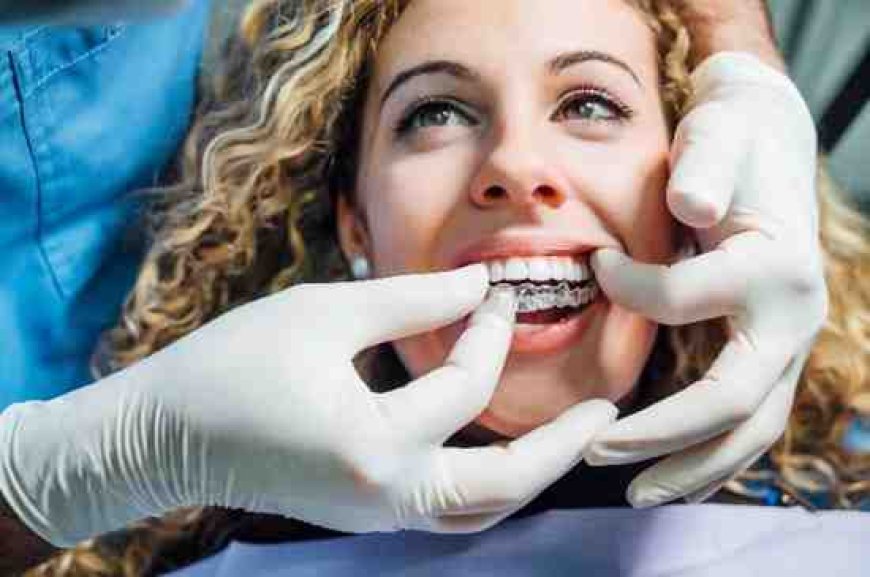
Invisalign Belfastrelies on a series of custom-made clear aligners that gradually move teeth into place. Precision is vital here, as even small inaccuracies can affect how the aligners fit and perform.
- Aligners fit snugly and comfortably.
- Tooth movement is more predictable.
- The overall treatment time may be reduced.
Monitoring Treatment Progress with Scanning
Intraoral scanners allow for quick, accurate comparisons between your current dental structure and previous scans. This helps orthodontists track progress digitally without requiring traditional impressions repeatedly, which can be tiring for patients.
Patient Experience: What Happens During a Scanning Session?
- Your orthodontist or dental technician will prepare the scanner.
- The device is gently moved around your mouth, capturing images of your teeth and gums.
- You might feel a slight warmth or see a light, but its painless.
- The scan usually takes between 5 and 10 minutes.
- The 3D model appears instantly on a nearby screen for review.
Limitations and Considerations
- Severe dental crowding or unusual mouth anatomy can make scanning challenging.
- Patients with very limited mouth opening may find it difficult to tolerate the scanner.
- Some clinics may not yet have the latest technology.
What to Look for When Choosing a Clinic
- Confirm that the clinic uses intraoral scanners as part of their assessment process.
- Ask about the technology and how it improves treatment.
- Check if the staff are trained and experienced with digital scanning.
- Look for transparent pricing and clear explanations about your treatment plan.
- Positive patient feedback around comfort and outcomes is always reassuring.
Environmental Benefits of Digital Scanning
Besides improving patient experience, intraoral scanners contribute to reducing waste. Traditional impressions require disposable trays and impression materials, which add up to significant plastic and chemical waste.
Future Trends: Digital Dentistry and Orthodontics
- AI-powered diagnostics.
- 3D printing of appliances directly from digital scans.
- Virtual reality to simulate treatment outcomes.

Summary of Benefits
- Accuracy:Reduces errors and improves treatment outcomes.
- Comfort:Eliminates the mess and gag reflex associated with traditional impressions.
- Speed:Faster turnaround for appliance creation and adjustments.
- Patient Engagement:Better understanding through 3D visualisation.
- Environmental:Less material waste compared to conventional methods.
Conclusion
Intraoral scanners have revolutionised orthodontic treatment by replacing uncomfortable traditional impressions with fast, accurate, and comfortable digital scanning. Whether youre considering Invisalign or other orthodontic options, clinics using this technology, including private dentist in Belfast practices, provide more precise and efficient care. This digital innovation leads to better-fitting appliances, quicker treatments, and an overall more pleasant experience. For anyone embarking on orthodontic treatment, intraoral scanners represent a modern approach that combines technology and patient comfort. The team at EDW supports this advanced, patient-centred care for a confident smile journey.