




How Pre-Engineered Buildings Are Installed On Site
Learn how pre-engineered buildings are installed step-by-step in Pakistan. This complete guide covers site preparation, steel erection, cladding, and finishing based on local construction practices.
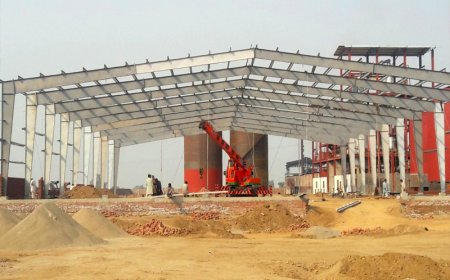
In recent years, pre-engineered buildings (PEBs) have gained popularity across Pakistan, especially in cities like Lahore, Faisalabad, and Multan. These structures offer a faster, more efficient way to build factories, warehouses, poultry sheds, and commercial units without compromising on strength.
This guide explains how pre-engineered buildings are installed step-by-step, using local terms, simple explanations, and practical insights from the construction field.
What Is a Pre-Engineered Building?
A pre-engineered building is a steel structure that is designed and manufactured in a factory, then delivered to the construction site where it is assembled. Each partsuch as columns, rafters, beams, and wall panelsis pre-cut and pre-welded before reaching the site.
Unlike traditional construction methods that take months, PEBs are installed quickly and with less labor. This is a big advantage in Pakistan where construction delays, weather issues, and cost overruns are common.
Preparing the Site
Before any steel parts arrive, the construction site must be properly prepared. This step includes:
-
Clearing the land from debris, bushes, or old construction
-
Leveling the ground using machinery or manual labor
-
Soil testing to check if the ground can support a heavy steel structure
-
Laying a concrete foundation according to the building plan
-
Installing anchor bolts at accurate positions
If the foundation is not done correctly, the steel structure wont fit properly. This is why expert supervision at this stage is very important.
Delivery and Sorting of Steel Components
Once the site is ready, all the steel parts are delivered from the factory. These include:
-
Steel columns and rafters
-
Roof and wall panels
-
Bracing rods
-
Fasteners like bolts and nuts
Each item is labeled and packed according to the erection plan. When the material reaches the site, it is sorted, inspected, and stored safely to avoid any damage before installation.
Among companies handling these types of projects locally, Shelter Engineering is known for managing deliveries, planning logistics, and maintaining quality from the factory to the construction site. Their work in PEB solutions can be explored here:
https://sheltersengineering.com/pre-engineered-buildings-construction/
Erecting the Main Structure
This is the heart of the PEB installation process. With the help of cranes and trained workers, the steel frame is assembled:
-
Columns are fixed to the foundation bolts
-
Rafters are lifted and joined with columns
-
Horizontal and vertical bracings are added for stability
-
All joints are tightened using industrial bolts
-
Cross checks are done to ensure proper alignment
This entire steel skeleton goes up much faster than traditional RCC structures.
Roofing and Cladding
Once the frame is complete, roof sheets and wall cladding are installed. These sheets are usually made of pre-painted galvanized iron (PPGI) or insulated sandwich panels.
The roofing system provides protection against:
-
Rain and water leakage
-
Heat from sunlight
-
Dust and debris
Proper insulation is also used to maintain a cooler internal temperaturevery important in places like southern Punjab and Sindh.
Electrical and Utility Installation
Now that the structure is closed, electricians and plumbers begin their work:
-
Laying cable trays for power
-
Installing fans and exhaust systems
-
Setting up water pipelines and drainage
-
Placing lights, switches, and breakers
Since PEBs follow a fixed design, the placement of all electrical and plumbing systems is planned in advance, which saves time and avoids confusion.
Final Inspection and Finishing Touches
Before handing over the building, the site team performs a detailed check. This includes:
-
Ensuring bolts and fasteners are tight
-
Making sure the panels are fixed properly
-
Checking for any leakage points or dents
-
Testing electrical systems and drainage
Any cleaning or touch-up work is done during this phase.
Where These Buildings Are Being Used
In Pakistan, pre-engineered buildings are being used in many industries:
-
Warehouses for storage and logistics
-
Factories for manufacturing and production
-
Poultry sheds for broiler and layer farming
-
Retail spaces and showrooms
-
Workshops and mechanical garages
Their fast installation, low maintenance, and flexibility make them a preferred choice over traditional concrete buildings.
Conclusion
Pre-engineered buildings are changing how construction is done in Pakistan. They offer a solid, fast, and efficient solution for industrial and commercial needs. From careful site prep to final inspection, each step plays a big role in making the building last.
With a skilled team and the right materials, these structures not only go up fastthey stay strong for years to come.