




What Is a POS System and How It Transforms Retail Operations
Discover what a POS system is and how it transforms retail operations with advanced features and integrated credit card terminals to boost efficiency and growth.

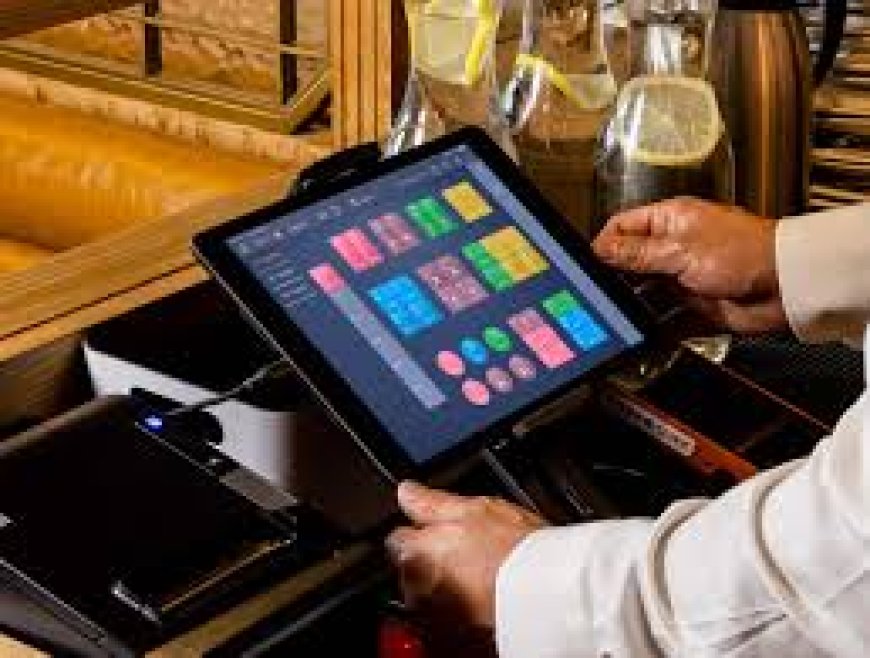
In todays fast-paced retail environment, staying competitive means adopting tools that simplify transactions, improve customer experience, and streamline business operations. One such essential tool is the Point of Sale (POS) system. But what is a POS system, and how exactly does it revolutionize retail?
This article explores the concept of a POS system, how it works, and the transformative role it plays in modern retail, particularly when integrated with a credit card terminal and other smart technologies.
What Is a POS System?
A POS (Point of Sale) system is the combination of hardware and software that allows businesses to complete sales transactions. Traditionally, a POS system was simply the cash register. However, with the advancement of technology, POS systems have evolved into comprehensive platforms that manage everything from sales and inventory to customer relationships and reporting.
At its core, a POS system is the hub where a customer makes a payment in exchange for goods or services. It processes the sale, calculates the total, applies taxes and discounts, and generates a receipt. But modern POS systems go far beyond these basic functions.
Core Components of a POS System
Modern POS systems are typically made up of the following elements:
- Hardware: This includes the touchscreen monitor, barcode scanner, receipt printer, and a credit card terminal. Mobile devices like tablets or smartphones can also serve as POS hardware, especially in small or mobile businesses.
- Software: This is the digital brain behind the system. POS software manages transactions, tracks inventory, maintains customer databases, and generates sales reports.
- Payment Processing: Integrated payment solutions allow businesses to accept various payment methodscash, debit/credit cards, digital walletsdirectly through the POS. The credit card terminal plays a vital role here by securely processing card payments.
Key Features and Functions
A good POS system provides much more than just the ability to accept payments. Here are some of the key features:
1. Inventory Management
Track stock levels in real-time, set reorder alerts, and manage multiple locationsall from one dashboard.
2. Sales Reporting and Analytics
Access detailed reports to understand sales trends, best-selling items, peak hours, and employee performance.
3. Customer Relationship Management (CRM)
Store customer purchase histories, issue loyalty rewards, and tailor marketing campaigns based on buying behaviour.
4. Employee Management
Track hours, assign roles, and manage staff performance with built-in employee tools.
5. Multi-Channel Integration
Connect your physical store with ecommerce platforms, allowing centralized control of both online and in-store operations.
How POS Systems Transform Retail Operations
Implementing a POS system can be a game-changer for retailers. Heres how it transforms daily business operations:
1. Improved Efficiency
Manual entry errors are drastically reduced, transactions are faster, and administrative tasks like inventory checks or report generation are automated.
2. Better Customer Experience
With quicker checkouts, various payment options via a reliable credit card terminal, and loyalty programs, customer satisfaction improves significantly.
3. Data-Driven Decisions
Real-time analytics provide business owners with the insights they need to make informed decisions about pricing, stocking, staffing, and promotions.
4. Scalability
Whether you're a single-store retailer or expanding to multiple locations, a modern POS system grows with your business. It can easily support new registers, users, or locations.
5. Mobility and Flexibility
Many POS systems now support mobile checkouts, pop-up stores, and remote business management via cloud access.
Choosing the Right POS System
When selecting a POS system, businesses should consider their specific needs:
- Size and type of business: A food truck may need a mobile-first POS, while a large retail chain needs robust inventory and multi-location features.
- Payment types: Ensure the system supports chip cards, tap-to-pay, and integrates seamlessly with a credit card terminal.
- Customer support: Reliable technical support is critical to avoid downtime.
- Scalability: Consider future growth and whether the system can handle additional users or stores.
Popular options in the Canadian market include Square, Light speed, Shopify POS, and Cloverall offering flexible solutions depending on your business model.
The Future of POS Systems
The future of POS systems is increasingly cloud-based, mobile, and AI-powered. With features like predictive inventory, personalized shopping experiences, and advanced analytics, POS systems will continue to shape how retailers operate and interact with customers.
Moreover, the integration of contactless payments and mobile credit card terminals is making transactions safer and more convenient than ever.
Conclusion
Understanding what is a POS system is essential for any business looking to thrive in todays retail environment. Far from being just a tool to process sales, a POS system is a powerful, data-driven platform that drives efficiency, enhances customer service, and supports long-term growth.
Investing in the right POS systemand integrating it with a reliable credit card terminalcan significantly elevate how your retail business operates, both today and in the future.