




What is Aluminium? Material Overview and Design Considerations
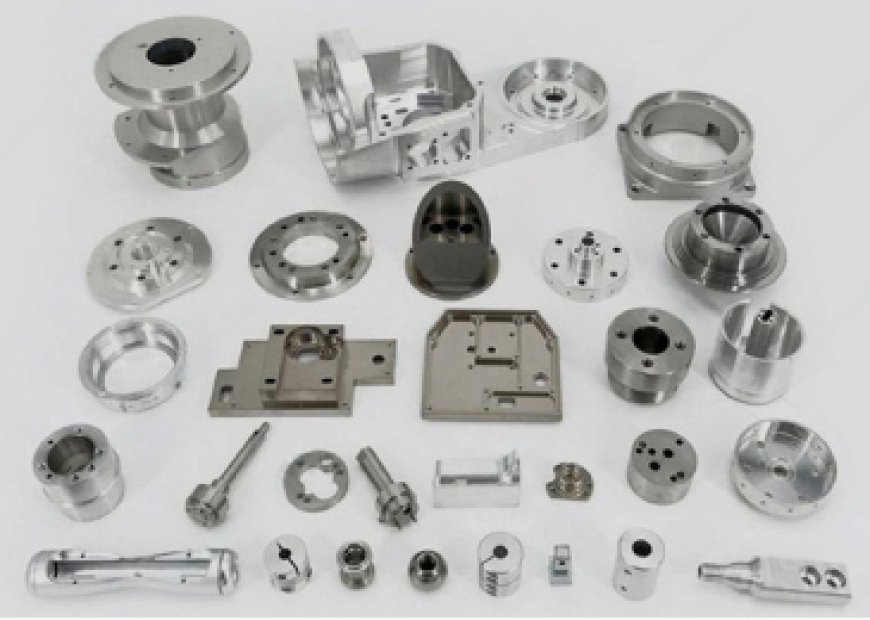
Arguably the most multipurpose of all the metals used today in design and engineering, aluminium is corrosion-resistant, light, and can be used across a wide range of applications. Its use in manufacturing makes it highly sought after across industries such as aerospace and automotive through to architecture and consumer electronics.
The blog here by Aluminium Component Manufacturers has tried to provide readers with a thorough overview of aluminium as a material, its properties, applications, and design considerations to be taken into account by designers and engineers when designing using aluminium.
Understanding Aluminium: Introduction and Brief History
Aluminium, chemical symbol Al, is a ductile, white, nonmagnetic, soft metal of the periodic table elements of the boron subgroup. Although the third most common element of the Earth's crust, a constituent of some 8% of its weight, it was not prepared in pure form until the 19th century because it has a very strong affinity for oxygen.
Aluminium was accessible only to scientists from ores and bauxite until the 1800s, but it was made possible to be industrially manufactured by the invention of the HallHroult process in 1886. Aluminium found its place as a material of importance in construction and industry after that.
Key Features of Aluminium
It is extensively used for the reason that it possesses a certain range of physical and mechanical characteristics:
1. Light-weight
Aluminium is approximately a third lighter than steel (2.7 g/cm compared to 7.85 g/cm). This places an enormous weight-saving benefit into such uses as aircraft metal and motor vehicle components.
2. Corrosion Resistance
Aluminium naturally develops a thin layer of aluminium oxide when it is exposed to air on the surface, which protects it from further corrosion. This presents a great benefit over aluminium relative to steel in weather and seawater environments.
3. High Strength-to-Weight Ratio
Aluminium is not hard but is greatly strengthened with the addition of alloying metals like copper, magnesium, manganese, and silicon. Aluminium alloys are as hard as some steels but lighter.
4. Highly High Thermal and Electrical Conductivity
Aluminium has high thermal conductivity (approximately 235 W/mK) and is therefore employed in heat exchangers, radiators, and cookware. Aluminium is utilized substantially in power transmission cables for electricity despite copper being more volume conductive.
5. Ductility and Malleability
Aluminium is easily rollable, bendable, extrudable, or cast into complex forms. It never loses any strength but remains soft enough to be shaped into anything.
6. Recyclability
Aluminium can be recycled 100% without losing its properties. Aluminium recycling uses only 5% of the energy used to make new aluminium from bauxite and is thus an 'eco-friendly' process.
Aluminium Alloys: Types and Uses
Unalloyed aluminium is not employed for structural applications due to being very soft. It is thereafter alloyed for bettering mechanical properties and other properties. Aluminium alloys can be categorized into two broad classes:
1. Wrought Alloys
They are mechanically shaped to the desired form by rolling, extrusion, or forging. Representative series are:
- 1 Series (Pure Aluminium): Corrosion and heat resistant and applied in chemical and electrical uses.
- 2 Series (Al-Copper): Low corrosion resistance but high strength, applied in the aerospace industry.
- 5 Series (Al-Magnesium): High corrosion resistance and weldability, widely applied in shipping industries.
- 6 Series (Al-Magnesium-Silicon): Resistance to corrosion, weldability, ductility, and strength; applied in buildings and transport.
- 7 Series (Al-Zinc): High strength; applications in sporting goods and aerospace.
2. Casting Alloys
- They are used wherever complex shapes are needed.
- They are cast in moulds in molten condition.
- Silicon, in some instances, is added to casting alloys to increase fluidity.
General Uses of Aluminium
As very versatile, aluminium has use in numerous industries:
- Aerospace: Light planes due to lightweight, high-strength alloys with lower fuel consumption.
- Automotive: Applied in reduced weight and enhanced gasoline efficiency in body parts, engine parts, and wheels.
- Uses: Aluminium is applied in structural framing, curtain walls, windows, and roofs for corrosion protection and also aesthetics.
- Packaging: Foils and cans are used because of the impermeable, flexible, and non-toxic nature of aluminium.
- Electronics: Its conductivity enhances thermal and electrical conductors, enclosures, and heat sinks.
- Consumer Products: Aluminium is utilized in laptops, cell phones, and home appliances because of its beautiful finish and strength.
Things to remember when using Aluminium
While extremely strong, its engineers have to consider its unique characteristics and limitations to get maximum performance from the product. Some of the most important considerations in design include:
1. Joining Techniques
- Welding: Welding can be done but with special techniques (TIG or MIG welding) and precautions against porosity formation.
- Fasteners: Galvanic corrosion with aluminium is achievable if it is coupled with other metals. Use insulating materials or suitable coatings. Adhesives and Rivets: Used in thin sheet or dissimilar metal assembly.
2. Surface Finishing
- Aluminium is anodized, painted, or powder coated for improved appearance and corrosion resistance. Surface strength is further enhanced through anodizing.
3. Thermal Expansion
- Aluminium heats up and expands more than steel and hence has to be considered extensively in the event of varying temperature.
4. Formability
- Extremely formable, though less rigid in modulus of elasticity compared to steel, aluminium will therefore yield more to bending under loading. Structural application would have to accept plastic behaviour.
5. Fatigue and Creep
- Greater fatigue failure susceptibility compared to steel, especially under cyclic loading. Also, creep strength at elevated temperature is low, hence not ideal for high-temperature, long-time application.
6. Corrosion in Severe Conditions
- Although resistant to corrosion, aluminium will suffer in acidic or salty conditions. Prevention can be achieved with some coatings and the choice of appropriate alloys.
7. Machining
- Aluminium is easily machined if done with proper tooling and lubrication. Chip removal and surface finishing do, however, require some special care to prevent galling or poor surface finish.
Conclusion
Aluminium is a pillar of modern material science with outstanding versatility, sustainability, and performance. From making the next electric vehicle to building low-carbon buildings, an understanding of the properties and design requirements of aluminium is of overriding importance. Its strength, lightness, recyclability, and flexibility are driving industries and defining innovation. In the right hands, aluminium is not just a metalit's the key to cleaner, greener, smarter design.