




A Comprehensive Look at TV Stand Styles and Their Benefits

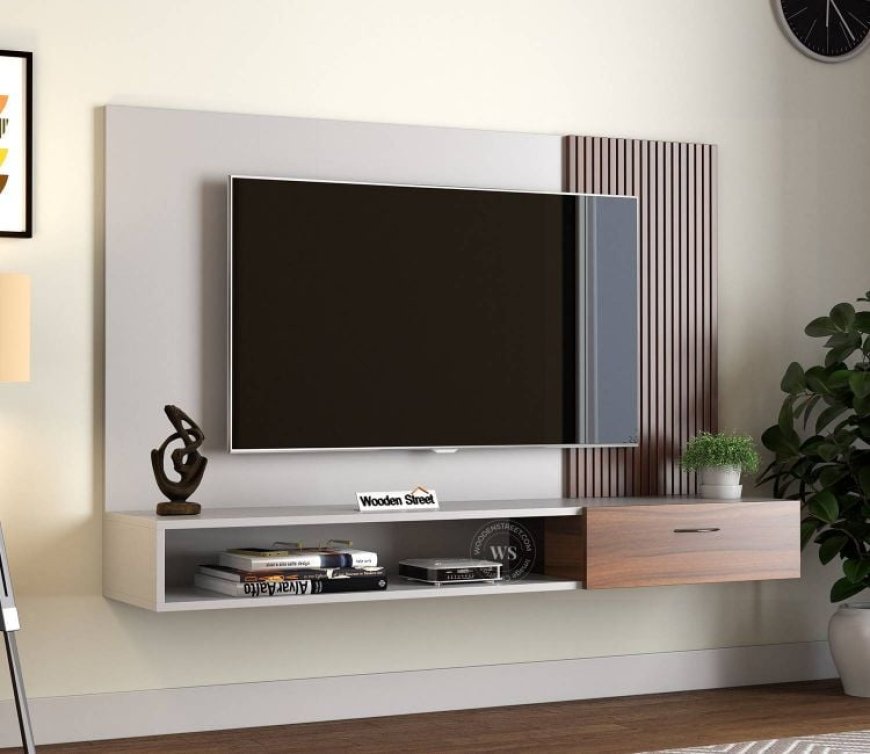
In the modern home, a TV stand is much more than just a platform for your television. It plays a key role in defining the aesthetics of your living space while offering practical functionality. With an array of designs, sizes, and materials available, selecting the right style can enhance both the look and usability of your entertainment area. Understanding the different types of TV stands and their benefits can help you make a more informed choice that suits your space and lifestyle.

Traditional TV Stand Designs
Traditional TV stand designs are known for their classic appeal and timeless charm. Typically crafted from wood and adorned with carved details, these stands often offer a sturdy base along with ample storage. Many of them come with cabinets, drawers, and open shelves that help organize remotes, cables, and media accessories. The visual warmth and solid build make them an ideal fit for homes with a vintage or rustic interior. While the style leans towards the classic side, these stands often adapt well to modern electronics and are built to support larger screens.
Modern Minimalist Styles
For those who appreciate clean lines and contemporary aesthetics, modern minimalist TV stands are a popular choice. These designs focus on simplicity and functionality, often featuring sleek finishes, neutral tones, and hidden compartments. The minimalistic approach helps maintain a clutter-free environment, which is especially beneficial for small apartments or rooms where space is at a premium. A modern TV stand seamlessly blends into the dcor while maintaining focus on the television itself. This style promotes a sophisticated, neat, and organized ambiance.
Wall Mounted Units
Wall-mounted tv stand, or floating stands, are becoming increasingly popular in urban households. These are perfect for people looking to save floor space or create a streamlined visual layout. Mounted directly onto the wall, they keep the floor area open and allow for easier cleaning and furniture placement. These stands often come with built-in cable management systems, keeping unsightly wires out of view. A wall-mounted TV stand works especially well in compact living areas and modern interiors where maximizing space is essential.
Corner TV Stands
When dealing with limited room layout or unconventional floor plans, a corner TV stand can be a smart solution. Designed to fit neatly into room corners, these stands make efficient use of often-unused spaces. Despite their compact footprint, they usually offer sufficient surface area for a television along with lower shelves for accessories. A corner TV stand is ideal for bedrooms, small living rooms, or studio apartments, where every inch of floor space counts. Its angled design helps improve viewing angles and gives a more enclosed feel to your entertainment setup.
Open Shelf Units
Open shelf TV stands are favored by those who enjoy accessibility and a lighter visual appearance. These units typically have multiple levels of shelving without enclosed cabinets, making it easy to reach devices like gaming consoles, speakers, and DVD players. The open structure allows better airflow for electronic devices and can contribute to a more casual, relaxed look in the room. However, since everything is visible, it encourages better organization and tidiness. An open shelf TV stand suits homes where minimal storage is required, and visual display is a priority.
Multi-Functional and Hybrid Designs
In multifunctional homes, where the living room serves several purposes, hybrid TV stands with added features are a great choice. These stands combine display, storage, and dcor in one piece of furniture. Many modern designs now include book shelves, display racks, or even fold-out desks to accommodate work-from-home needs. These types of stands are ideal for people who need a versatile piece that adapts to different needs without compromising on design. A multifunctional TV stand is all about maximizing utility without sacrificing visual appeal.
Material Matters in TV Stands
The material used in a TV stand can significantly influence its look and durability. Wood stands offer a warm, natural appearance and long-lasting strength. Engineered wood or MDF is a more budget-friendly alternative, often finished to mimic real wood. Metal TV stands provide an industrial or contemporary edge and are usually lighter in weight. Glass elements, often used in modern stands, lend an airy and open feel to the furniture. When choosing a stand, consider not only the visual appeal but also how well the material complements the rest of your furniture.
Choosing the Right Size and Fit
While style is important, functionality should not be overlooked. A TV stand should match the size of your television and the scale of your room. Too small a stand may make the area feel disproportionate, while too large a unit can overwhelm the space. It's also essential to ensure proper viewing height for comfort. Choosing a stand with adequate support and balance is key to both aesthetics and safety. A well-fitted TV stand completes the look of the living area while improving the viewing experience.
Final Thoughts on TV Stand Selection
With so many TV stand styles available, the decision ultimately comes down to your personal preferences and space requirements. Whether you prefer a traditional wooden cabinet, a modern floating unit, or a minimalist open shelf design, each style brings its own benefits to the table. The right TV stand not only enhances your dcor but also adds functionality to your living room. Take time to evaluate your needs and the layout of your home before investing in a piece that supports both your television and your lifestyle.