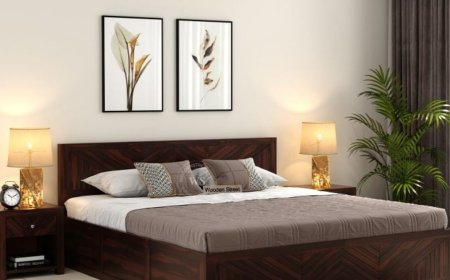




Contemporary vs Modern Design: Key Differences Explained
Understand the clear differences between contemporary and modern design. Learn about the unique characteristics, styles, and elements of both in interior and architecture.

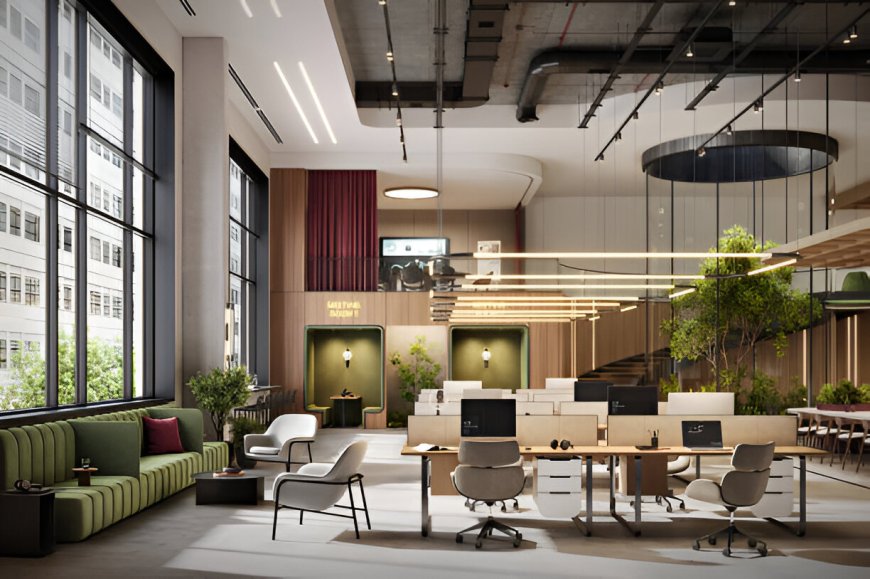
When designing your home or office, you might find yourself torn between two popular styles: contemporary and modern. Although many people use these terms interchangeably, they are far from the same. Understanding the difference between contemporary vs modern design is crucial to ensuring you create the space you truly envision. From architecture to interiors, the two styles have distinct characteristics that can significantly impact the way a space feels and functions. In this blog, we will delve into the key differences between modern and contemporary design, helping you decide which style is the best fit for your home or business.
What is Modern Design?
Modern design is a term that refers to a specific period in design history, particularly the early to mid-20th century. Modern style emerged in the early 1900s as a response to the ornate and decorative styles of the Victorian era. It focuses on simplicity, functionality, and the use of innovative materials.
Key Characteristics of Modern Design
Clean Lines: Modern design emphasizes straight lines and geometric shapes, eliminating excessive ornamentation and decoration.
Neutral Color Palettes: Modern design typically uses neutral colors, such as whites, blacks, and grays. Occasional bold accents may be added, but they dont overpower the design.
Open Spaces: Modern interior design focuses on spacious, open floor plans that enhance natural light and create a sense of fluidity.
Minimalism: Modern design is all about the "less is more" philosophy, with a focus on simplicity and functionality over aesthetics.
Industrial Materials: Modern design often incorporates raw, industrial materials such as metal, glass, and concrete, contributing to a clean, uncluttered aesthetic.
Modern design is about timeless appeal, influenced by the simplicity of mid-century design but also incorporating cutting-edge materials and technology. It celebrates innovation while keeping things simple, functional, and uncluttered.
What is Contemporary Design?
Contemporary design, on the other hand, refers to the current, ever-evolving style that reflects the trends and influences of the present day. Unlike modern design, which is fixed in a specific period, contemporary design is dynamic and constantly changing, adapting to the latest trends and technologies.
Key Characteristics of Contemporary Design
Fluid Shapes: While modern design favors clean, straight lines, contemporary design often embraces more fluid, organic shapes that reflect the latest trends.
Bold Colors and Contrasts: Contemporary design tends to use more variety in color schemes, often incorporating bold accent colors alongside neutral tones.
Use of Natural Materials: Wood, stone, and other natural elements are commonly used in contemporary interior design to bring warmth and texture to a space.
Open and Flexible Layouts: Like modern design, contemporary design favors open, flexible spaces but often incorporates multifunctional spaces that adapt to changing needs.
Integration of Technology: Contemporary design places a strong emphasis on integrating smart home technologies, energy-efficient systems, and innovative materials into the design of the home.
Contemporary design is about being current and on-trend. It's a fluid style that evolves, reflecting what is "now" in both fashion and function.
Modern vs Contemporary Interior Design
When it comes to interior design, the differences between modern and contemporary styles become even more apparent. Modern interiors focus on simple lines and neutral tones, while contemporary interiors embrace an ever-changing mix of textures, colors, and shapes. Lets explore the differences in detail:
Modern Interior Design
Minimalist Furniture: Modern interior design features sleek, functional furniture with minimal embellishment. Pieces tend to be low-profile and functional with little decorative detailing.
Neutral Color Scheme: As mentioned earlier, modern interiors predominantly feature neutral color palettes with minimal contrast. Think whites, blacks, grays, and muted tones.
Open Floor Plans: Modern interiors often make use of open-plan layouts, creating a sense of spaciousness and allowing for easy movement and flow throughout the home.
Contemporary Interior Design
Bold and Playful Furniture: Contemporary interior design includes furniture pieces that reflect current trends. These pieces can be larger, more expressive, and more sculptural in nature.
Vibrant Color Schemes: Unlike modern interiors, contemporary design embraces bold colors, contrasting accents, and the use of diverse hues. Color is a central part of contemporary dcor.
Flexible Layouts: Contemporary interiors often emphasize flexibility. Multifunctional rooms and versatile furniture are key, allowing spaces to evolve with changing needs.
In summary, contemporary vs modern interior design reflects a shift in style. Modern interior design sticks to a fixed, timeless approach, while contemporary design stays fresh and ever-changing.
Modern vs Contemporary Architecture
The differences between contemporary and modern architecture are also worth noting. Both styles prioritize clean lines, open spaces, and functional design, but the key differences are found in the materials, shapes, and overall aesthetic.
Modern Architecture
Flat Roofs and Straight Lines: Modern architecture focuses on the use of clean, straight lines and flat roof structures, often incorporating glass and steel.
Open and Airy: Modern architecture utilizes open floor plans with large windows, creating a seamless connection between the interior and exterior of the home.
Industrial Materials: Concrete, steel, and glass are often featured in modern architectural designs, giving buildings an industrial, minimalist aesthetic.
Contemporary Architecture
Innovative Shapes and Curves: Contemporary architecture can feature both angular and organic curves, reflecting current architectural trends.
Diverse Materials: While modern architecture uses raw industrial materials, contemporary buildings often combine a variety of materials like wood, metal, stone, and glass to create unique and dynamic faades.
Sustainable Design: Contemporary architecture often integrates sustainable design features, including green roofs, solar panels, and other eco-friendly materials and technologies.
While modern vs contemporary architecture shares some similarities, contemporary architecture places more emphasis on innovation, sustainability, and diverse materials.
Key Differences Between Modern and Contemporary Design
Now that we have explored the two styles in depth, lets break down the difference between modern and contemporary design in a quick comparison:
|
Feature
|
Modern Design
|
Contemporary Design
|
|
Time Period
|
Early to mid-20th century
|
Present-day, constantly evolving
|
|
Aesthetic
|
Simple, clean, functional
|
Ever-changing, diverse, and innovative
|
|
Color Palette
|
Neutral tones, minimal contrast
|
Bold accents and contrasting colors
|
|
Materials
|
Metal, glass, concrete, steel
|
Natural materials like wood, stone, glass
|
|
Furniture
|
Sleek, functional, minimal
|
Trendy, sculptural, expressive
|
|
Architectural Style
|
Flat roofs, straight lines, open plans
|
Curved lines, sustainable, innovative
|
As you can see, modern vs contemporary design is not just about aesthetics; its also about a shift in philosophy and approach. Modern design is timeless, rooted in history, and emphasizes minimalism, while contemporary design adapts to the ever-changing trends of today.
Are you inspired to create your perfect space? Whether you lean toward modern style's timeless appeal or contemporary design's ever-evolving nature, we can help bring your vision to life. Contact us today for personalized design advice, or schedule a consultation to get started on transforming your home or office with the best of contemporary and modern design!
Conclusion
Understanding contemporary vs modern design is key to making the right choice for your home or business. While modern design is about simplicity and timelessness, contemporary design embraces change, innovation, and current trends. Both styles offer unique benefits, from the clean lines of modern design to the dynamic, ever-evolving nature of contemporary design. By understanding the characteristics and principles of each, you can make an informed decision and create a space that fits your personal style and functional needs.