



From Deviated Septum to Designer Nose: Functional + Aesthetic Rhinoplasty in Riyadh
As awareness spreads and access to advanced Rhinoplasty in Riyadh increases, more patients are discovering that functional correction can be integrated seamlessly with aesthetic enhancement.

Rhinoplasty in Riyadh: Where Form and Function Intersect
In Riyadhs rapidly evolving aesthetic landscape, rhinoplasty has transcended its traditional definition as a purely cosmetic procedure. More than ever, patients are seeking dual-purpose surgeries that address both function and beautyleading to a sharp rise in what is now known as functional-aesthetic rhinoplasty. Whether driven by chronic breathing issues, sleep disturbances, or aesthetic dissatisfaction, the contemporary rhinoplasty patient in Riyadh often arrives with dual goals: to breathe easier and to look refined. Surgeons across the city are adapting to meet this demand, blending medical correction of nasal defects such as a deviated septum with personalized nose reshaping that aligns with each clients facial features and cultural expectations.
The Deviated Septum: A Common but Overlooked Concern
A deviated septum is one of the most frequent underlying conditions prompting individuals to consider nasal surgery. The septum, a cartilage and bone structure that divides the nasal cavity, can become misaligned through injury, congenital issues, or developmental irregularities. In Riyadh, where sports injuries, vehicular accidents, and genetic predispositions are common contributors, a significant portion of the population suffers from some degree of septal deviation. Symptoms include nasal congestion, mouth breathing, snoring, sleep apnea, and recurrent sinus infections. Unfortunately, these issues are often tolerated for years, misattributed to allergies or seasonal changes. As awareness spreads and access to advanced Rhinoplasty in Riyadh increases, more patients are discovering that functional correction can be integrated seamlessly with aesthetic enhancement.
Aesthetic Expectations in the Riyadh Context
While function may be the medical priority, aesthetic improvement remains a central motivator for many rhinoplasty patients in Riyadh. Influenced by both global beauty standards and local cultural preferences, aesthetic goals often include a smoother nasal bridge, a lifted and defined tip, reduced nostril flare, or better balance between nose and chin. However, surgeons in Riyadh approach these requests with cultural sensitivity and anatomical awareness. The goal is rarely to achieve a Westernized or dramatically altered look, but rather to refine and harmonizeespecially for patients with Arab or Gulf heritage features. Skilled rhinoplasty specialists understand the importance of maintaining ethnic identity while enhancing symmetry, elegance, and proportion. The functional-aesthetic rhinoplasty, therefore, becomes a deeply personalized art, blending health and heritage in every incision.
The Surgical Synergy: How Function and Beauty Align
Combining septoplasty (the surgical correction of a deviated septum) with rhinoplasty involves meticulous planning. Riyadhs top surgeons employ advanced imaging techniques, such as CT scans and 3D morphing, to understand the internal anatomy and simulate desired aesthetic outcomes. During surgery, functional corrections are made first: realigning the septum, stabilizing the nasal valves, and addressing turbinate hypertrophy if present. Once the internal airway is optimized, attention turns to reshaping the external nose. This may involve osteotomies to correct a crooked bridge, cartilage grafting to support the tip, or dorsal refinement for a smoother contour. The dual focus requires both technical precision and artistic visiona balance that Riyadhs premium aesthetic clinics have mastered through years of specialized training and high patient volumes.
Piezoelectric and Preservation Techniques: Advanced Tools for Dual Goals
Functional-aesthetic rhinoplasty in Riyadh is increasingly defined by its use of advanced, low-trauma techniques. Piezoelectric rhinoplasty, which uses ultrasonic vibrations to reshape bone without damaging surrounding tissues, is especially favored for patients with deviated septums. It allows for precise correction of nasal asymmetry while minimizing swelling and bruising. Similarly, preservation rhinoplasty techniques are gaining traction. Instead of removing large sections of cartilage or bone, surgeons work to reshape and preserve nasal structuresmaintaining function while improving appearance. These methods are ideal for patients over 30 who may already be experiencing early signs of skin thinning or reduced healing capacity. Riyadhs clinics are investing in these technologies not just for their effectiveness, but because they align with patient preferences for minimal downtime and natural outcomes.
Gender-Specific Approaches in Functional-Aesthetic Rhinoplasty
Gender plays a significant role in surgical planning in Riyadh. For male patients, the focus is often on preserving strong nasal features while improving breathing. A slight dorsal hump may be maintained or refined subtly to keep a masculine profile. Functional improvementssuch as widening the nasal valve or correcting septal deviationare paired with conservative cosmetic changes. For female patients, a more delicate reshaping is often requested, such as tip refinement or nostril narrowing. However, surgeons must carefully balance these aesthetic goals with structural integrity, ensuring that changes do not compromise breathing. Riyadhs functional-aesthetic rhinoplasty experts are adept at walking this fine line, offering gender-aware solutions that support both form and function.
Case Profiles: Real-Life Transformations in Riyadh
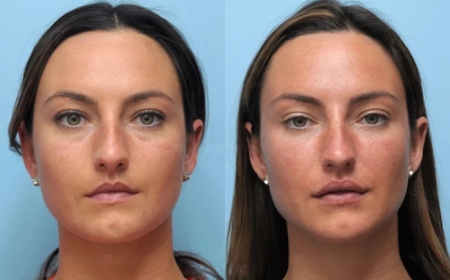
Clinics across Riyadh report a growing number of patients whose lives have been changed through functional-aesthetic rhinoplasty. One common profile is the professional in their 30s or 40s who has struggled with chronic nasal congestion and now seeks not just relief, but confidence in their appearance during public speaking or networking events. Another is the young adult whose childhood trauma led to a visibly crooked nose and compromised airflowaddressed now through a single surgery that restores both structure and self-image. These patients often report dramatic improvements in sleep quality, athletic performance, and mental health. Their testimonials, increasingly shared on social media or through clinic platforms, are helping destigmatize nasal surgery in Riyadhs conservative society, especially when framed as a health-enhancing procedure rather than purely cosmetic.
Post-Operative Recovery and Patient Expectations
Recovery after functional-aesthetic rhinoplasty can differ slightly from cosmetic-only procedures. Because internal corrections often involve septal reconstruction or valve support, internal splints may be used and breathing may feel obstructed in the initial days. However, thanks to modern techniques like endonasal approaches and piezo-assisted refinement, patients in Riyadh typically experience less bruising, faster healing, and reduced need for narcotics. Most return to work or social activities within 1014 days. Clinics provide comprehensive post-op care, including saline irrigation, topical antibiotics, and follow-up imaging to ensure both aesthetic and functional goals are being met. Patient education is key, with surgeons setting realistic expectations around swelling, tip refinement, and timeline for final resultswhich may take up to a year to fully settle.
Insurance, Affordability, and Access in Riyadh
One advantage of functional-aesthetic rhinoplasty is that the functional portion may be partially or fully covered by medical insurance in Riyadh. Patients suffering from documented breathing issues, such as obstructed airflow due to a deviated septum, can undergo septoplasty under insurance coverage. If the aesthetic changes are performed simultaneously, only that portion is charged as a private fee. This cost-sharing model makes dual-purpose rhinoplasty more accessible, especially for patients who might not otherwise afford cosmetic surgery. Riyadhs clinics and hospitals work closely with insurers to justify medical necessity, and many also offer flexible payment plans for the aesthetic component. This integration of health care and aesthetic care represents a progressive shift in how rhinoplasty is viewed and valued in the region.
Psychological Impact: Breathing Freely, Living Fully
The impact of functional-aesthetic rhinoplasty in Riyadh extends well beyond the visible. Many patients report a profound emotional shift after surgeryespecially those who had long been self-conscious about their appearance or suffered from chronic nasal obstruction. Restoring nasal symmetry and airflow can dramatically improve sleep, reduce anxiety, and increase confidence. Patients who once avoided photos, speaking engagements, or physical activity due to nasal issues often return with new vitality. This dual transformationof health and self-imagemakes functional-aesthetic rhinoplasty a unique and powerful intervention. It embodies Riyadhs modern wellness philosophy: that beauty and well-being are not separate pursuits, but interconnected pathways to a more fulfilling life.
Conclusion: Riyadhs New Standard in Rhinoplasty
From deviated septums to designer noses, Riyadhs approach to rhinoplasty reflects a sophisticated understanding of human anatomy, personal identity, and cultural elegance. The blending of function and aesthetics in one surgical experience allows patients to achieve holistic outcomes: better breathing, refined profiles, and elevated confidence. With state-of-the-art tools, culturally attuned practitioners, and patient-centric care, Riyadh is not just keeping pace with global trendsit is setting a new standard for what modern rhinoplasty can and should be. For those seeking a transformative yet balanced experience, functional-aesthetic rhinoplasty in Riyadh offers the perfect intersection of necessity and artistry.