




How to Use Transparent Background in Paint: A Complete Guide
Creating a transparent background is a valuable skill for anyone working with images. Whether you're designing logos, editing photos, or preparing visuals for presentations, knowing how to remove or adjust a background can make your content look more polished. One of the simplest tools for this task is Microsoft Paint. Although Paint is often seen as a basic drawing application, it includes features that can help you achieve clean, professional-looking images.

Creating a transparent background is a valuable skill for anyone working with images. Whether you're designing logos, editing photos, or preparing visuals for presentations, knowing how to remove or adjust a background can make your content look more polished. One of the simplest tools for this task is Microsoft Paint. Although Paint is often seen as a basic drawing application, it includes features that can help you achieve clean, professional-looking images. This article explains how to use a transparent background in paint, step by step, without requiring advanced software.
Microsoft Paint is built into every Windows operating system. Most users have used it at some point, whether for drawing, editing screenshots, or adding quick notes to images. Its simplicity is its greatest strength. The methods explained here are easy to follow and perfect for beginners or casual users who want fast results without complicated steps.
What Is a Transparent Background?
A transparent background means that the area behind your image is not filled with color. Instead, that space becomes invisible when you place the image over another background. This is especially useful in graphic design, websites, and presentations where layered visuals are required. It also helps when you want to place your image over different colored backgrounds without any white box or color clash appearing around it.
While some advanced programs offer complex options for background editing, Paint keeps things simple. It allows you to make the white background behind your image act as transparent when you copy and paste it elsewhere. However, there are some limitations you should be aware of, especially when comparing Paint with tools like Paint 3D or Photoshop. Still, Paints built-in options are good enough for many everyday tasks.
When You Might Need a Transparent Background
Using a transparent background in Paint comes in handy in many situations. If you're creating a logo, you probably want it to look clean and integrate smoothly into other designs. If your logo has a white background, it might appear with a white box behind it when placed over a colored surface. With a transparent background, it blends in seamlessly.
This feature is also helpful for making product images look consistent in online stores. Removing backgrounds gives a more professional look to your catalog. Teachers, students, and professionals also use transparent backgrounds when adding images to slides or documents to keep everything looking clean and well-organized.
Opening the Image in Microsoft Paint
Start by launching Microsoft Paint. Once open, click on "File" and then "Open" to select the image you want to work with. Its best to choose an image with a clear subject and a simple background. Images with a solid white background are easiest to work with in Paint.
Once the image is open, take a moment to inspect its edges. Sharp contrast between the subject and background makes the task easier. If the image has complex colors or patterns in the background, it might not give you the result you want using this method.
Pasting the Image onto a New Background
After copying your image, open a new Paint window. Select File and then New. In this new canvas, make sure Transparent Selection is turned on again from the Select menu.
Right-click and select Paste to place your copied image into this new space. Youll notice that the white parts around the image are no longer visiblethey appear transparent instead. This creates a cleaner, more professional look.
Now you can choose a background color or image to go behind your pasted object. This is how the transparent background in paint becomes useful in various creative applications. You can also save the image for future use, such as adding it into a presentation or printing it onto another surface.
Selecting the Area You Want to Keep
Now, go to the "Select" tool in the toolbar. You'll find this in the "Image" section of Paints top menu. Click the dropdown arrow next to "Select" and choose Transparent Selection. This option tells Paint to treat the white areas of your image as transparent.
After enabling transparent selection, choose Rectangular selection or Free-form selection depending on the shape of your object. Use your mouse to draw around the subject you want to keep. Be as precise as possible, especially if the background is close in color to the subject.
Once the selection is made, right-click and choose Copy. This step will prepare the image for transfer with the background removedor rather, made transparent.
Saving the Image Correctly
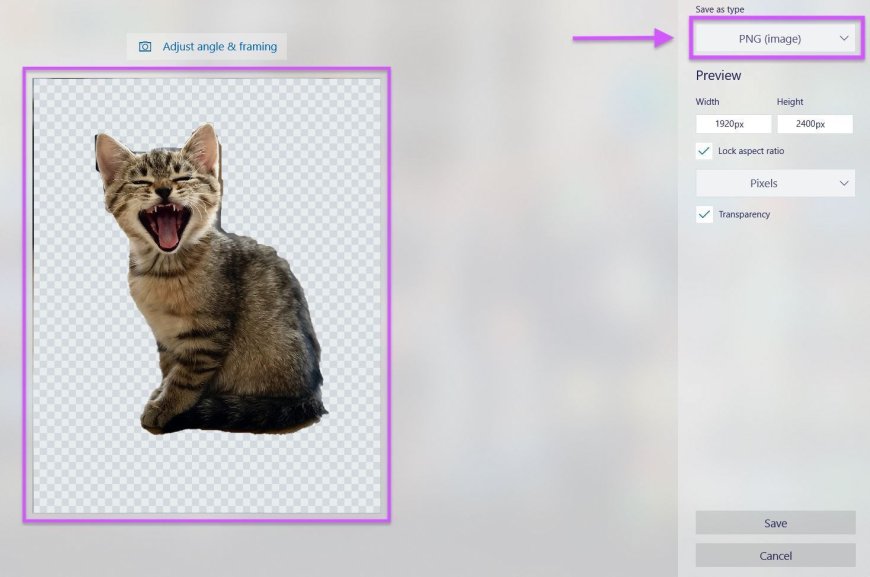
One key thing to remember is that traditional Microsoft Paint does not support saving images with transparency in formats like PNG. Instead, it treats white as transparent only within the program itself. That means, once saved, the image will revert to showing white unless you take additional steps.
To keep the transparent look, youll need to paste your image into another program that supports transparent PNGslike Paint 3D or a third-party design tool. Still, Paint can be a great tool to prepare images before transferring them elsewhere.
Alternatively, if you're simply pasting the image into Word, PowerPoint, or Excel, the transparency effect will often be maintained as long as the white was originally treated as transparent in Paint.
Alternatives to Consider
If you're looking for more control and true transparency options, Paint 3D, Canva, or GIMP might be better suited for your needs. These tools allow you to remove complex backgrounds and export images in formats that support full transparency.
However, for many users, the simple method of using a transparent background in paint is good enough for school projects, work presentations, or casual design work.
Paint 3D, in particular, is a great next step. It maintains the simplicity of Paint but adds layers and transparency tools. You can even remove backgrounds automatically with just a few clicks.
Limitations to Be Aware Of
While Paint is very accessible, its not perfect. It works best when the background is solid white or another plain color. If your image has shadows, gradients, or textured backgrounds, the transparency feature may not perform well. It wont automatically remove complex shapes or color blends.
Also, Paint does not support full alpha transparency. So even if your image looks transparent while editing, saving it will often add a white fill unless you switch to software that supports transparent image formats.
Still, the tool remains useful for quick jobs and for users who dont want to learn complex software. Its free, built into Windows, and performs well for basic projects.
Final Thoughts
Learning to use a transparent background in paint may appear simple, but it provides valuable advantages for many everyday users. Whether you're working on a school assignment, designing a basic logo, or preparing images for a presentation, this feature can help your visuals look cleaner and more professional. While Paint isnt as advanced as some other tools, its perfect for quick edits and small tasks. The process is easy to follow and doesnt require special skills. Mastering this technique adds flexibility to your image editing, making it a useful ability to have in both casual and professional settings.
FAQs
Q1: How do I make a transparent background in Paint?
Enable Transparent Selection from the Select menu, then copy and paste your image.
Q2: Can I save a transparent image in Paint?
Traditional Paint doesnt support saving with real transparency; use Paint 3D instead.
Q3: Why is the background still visible after copying?
Make sure Transparent Selection is enabled and the background is plain white.
Q4: What file formats support transparency?
PNG supports transparency, but Paint cant save in that format with clear backgrounds.
Q5: Is Paint good for quick background removal?
Yes, if the background is solid white; its simple and works well for basic tasks.