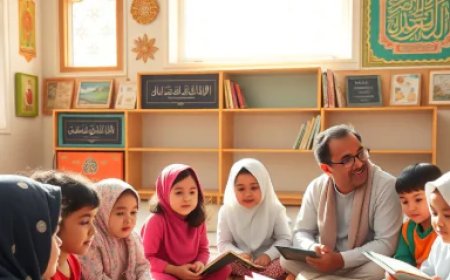




Interactive Ways to Teach Noorani Qaida to Children
Discover fun and interactive ways to teach Noorani Qaida to children. Boost Quran reading skills with games, visuals, apps, and structured learning techniques.
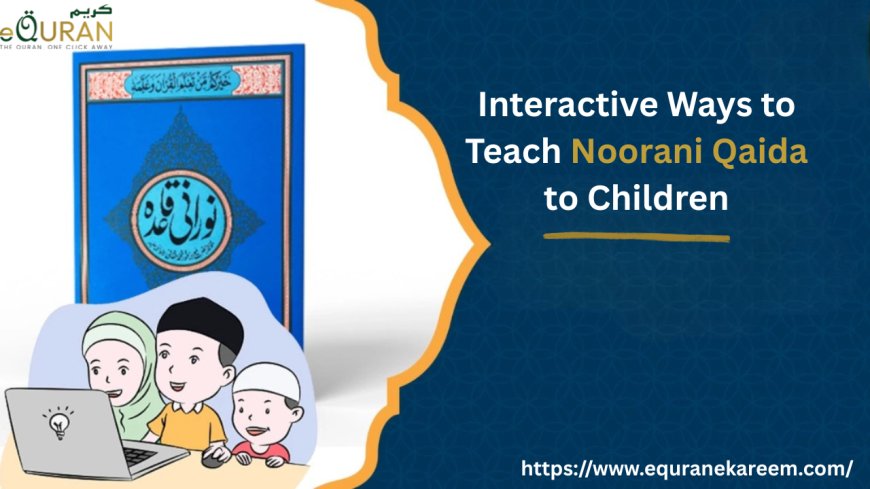
Noorani Qaida is a foundational book used to teach children how to read the Arabic script correctly, especially for Quran recitation. Teaching it effectively is key to nurturing love and accuracy in reading the Quran from an early age. While traditional methods are beneficial, using interactive strategies engages young minds better, making the learning process enjoyable and effective.
Interactive Strategies to Teach Qaida Effectively
Interactive strategies make learning Noorani engaging and effective for children by combining fun with foundational Arabic skills. These methods enhance focus, retention, and pronunciation through games, visuals, and tech-based tools. They transform traditional learning into a dynamic and enjoyable experience.
Use Visual and Color-Coded Beginner Arabic Reader
Books or apps with color-coded Tajweed rules help children recognize and apply pronunciation rules easily. Visual aids like Arabic charts, flashcards, or animated letters help reinforce recognition. For a more guided approach, consider enrolling your child in an Online Noorani Qaida Course, which combines visual learning with expert instruction to build a strong Quran reading foundation.
Gamify the Learning Process
Children love games, turn learning into play with:
-
Matching games (e.g., match letters with sounds)
-
Memory cards (with Arabic letters and words)
-
Progress charts or stickers to reward achievements
Leverage Learning Apps
Many apps are designed for kids to learn Qaida online with interactive audio, animations, and quizzes. These tools help children learn independently or with minimal supervision.
Recommended features to look for:
-
Voice-over of letters and examples
-
Progress tracking
-
Child-friendly design
Engage in Role-Playing and Group Activities
Use peer learning by assigning roles in group recitation sessions. One child acts as a teacher, reading aloud while others repeat. This boosts confidence and reinforces pronunciation.
Include Hands-On Activities
-
Use play-dough or magnetic letters to form Arabic letters.
-
Color worksheets for tracing and writing.
-
Letter-building with blocks to help tactile learners connect physically with learning.
These activities promote motor skill development and help in memorization.
Tracking Progress with Certificates and Milestones
Recognizing progress motivates kids. Create mini certificates or milestone badges after every lesson or chapter. This boosts confidence and adds excitement to the learning process. This strategy also helps parents and teachers measure growth and identify areas needing more practice.
Blending Technology and Traditional Teaching
Combining technology with traditional methods offers a balanced and flexible approach to teaching Qaida. It allows children to benefit from personal interaction while engaging with interactive tools for better retention and practice.
Combine Screen Time with Live Teaching
While apps are helpful, combining them with interactive live sessions, whether in person or online, ensures that children get pronunciation corrections and personal guidance.
Explore Online Courses where children can interact with qualified teachers in fun, engaging sessions.
Use Audio-Visual Recitation Tools
Record the childs recitation and let them listen and compare. This helps with self-correction and fluency improvement.
Structuring Noorani Qaida Daily Sessions
Consistency is key when teaching children. A balanced daily schedule might include:
-
510 minutes of review
-
10 minutes of new lessons
-
5 minutes of games or quizzes
-
End with a small reward or praise
Develops Confidence in Independent Recitation
As children master, they gain the confidence to read Arabic words and short verses on their own. This independence motivates them to progress to full Quran recitation with a sense of achievement and spiritual pride.
Conclusion
Teaching Noorani Qaida to children doesnt have to be rigid or boring. Using interactive tools, colorful visuals, games, and technology, parents and teachers can make Quranic learning enjoyable and spiritually enriching. With patience and consistency, every child can develop the right foundation to begin reciting the Holy Quran confidently and correctly.
FAQs
Q1: What age should a child start learning Qaida?
Children can begin as early as 45 years old when they can identify shapes and sounds.
Q2: How long does it take to complete?
With daily practice, most children complete it in 3 to 6 months, depending on pace and consistency.
Q3: Can I teach this course at home without a teacher?
Yes, with the help of apps, online courses, and interactive materials, you can guide your child at home. However, a teacher can help correct pronunciation more effectively.
Q4: Are there related apps for offline learning?
Yes, many apps offer offline access, including audio, lessons, and games. Look for ones with positive reviews and kid-friendly interfaces.
Q5: Is Tajweed taught in Noorani?
Yes, basic Tajweed rules are introduced, especially with color-coded books or apps that emphasize makharij and letter characteristics.