



Restore Your Smile Seamlessly with Modern Dental Bridges
Restore your smile and function with modern dental bridges. Learn about the types, benefits, and process of dental bridges for missing tooth replacement.

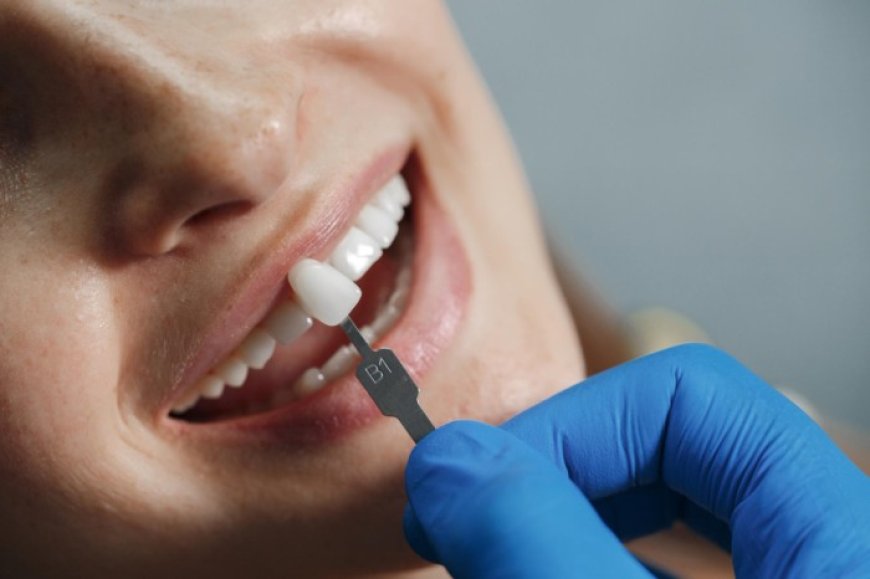
Missing teeth can impact more than just your appearancethey can also affect your oral health, speech, and ability to chew comfortably. If youre seeking a solution that restores both the look and function of your smile, Dental Bridges may be the ideal treatment. Todays dental bridges are more advanced and aesthetically pleasing than ever before, making it easier to enjoy a complete, confident smile.
This comprehensive guide explores how modern Dental Bridges work, the types available, their many benefits, and what you can expect from the procedure. Whether youve lost one tooth or several, dental bridges offer a reliable, natural-looking solution that can seamlessly fill the gaps in your smile.
What Are Dental Bridges?
Dental Bridges are fixed dental restorations that replace one or more missing teeth by anchoring artificial teeth (called pontics) between two or more crowns attached to natural teeth or implants. These bridges are custom-made to blend perfectly with your surrounding teeth, restoring your bite, preventing shifting, and enhancing aesthetics.
Theyre called bridges because they literally bridge the space left by missing teeth. With advancements in materials and techniques, modern Dental Bridges are more durable, discreet, and comfortable than ever.
Why Choose Dental Bridges?
Tooth loss can occur due to decay, injury, or gum disease, but no matter the cause, replacing missing teeth is crucial. Dental Bridges offer a wide range of benefits, including:
1. Improved Appearance
Bridges restore the natural contour of your face and smile. By filling in the gaps, they help you regain a more youthful and confident appearance.
2. Restored Function
Missing teeth can make it difficult to chew and speak clearly. Dental Bridges improve your ability to eat and pronounce words correctly.
3. Preventing Shifting Teeth
When theres a gap, adjacent teeth can shift out of place, leading to misalignment and bite problems. A dental bridge prevents this movement, preserving your dental structure.
4. Comfort and Stability
Unlike removable dentures, bridges are fixed in place. They feel and function like natural teeth, offering more comfort and stability.
5. Cost-Effective Tooth Replacement
Compared to dental implants, Dental Bridges are a more affordable yet long-lasting option for tooth replacement.
Types of Dental Bridges
There are several types of Dental Bridges, each designed to suit specific dental conditions. Your dentist will recommend the best type based on your oral health and location of the missing teeth.
1. Traditional Dental Bridge
The most common type, a traditional bridge uses crowns on both sides of the gap, anchored to natural teeth. Its ideal when you have healthy teeth adjacent to the missing tooth.
2. Cantilever Bridge
This bridge is supported by a crown on just one side of the missing tooth. Its used when only one adjacent tooth is available, though its typically reserved for front teeth due to pressure concerns.
3. Maryland Bonded Bridge
Also known as a resin-bonded bridge, this type uses metal or porcelain wings bonded to the backs of adjacent teeth. Its a conservative option that doesnt require reshaping nearby teeth.
4. Implant-Supported Bridge
Instead of being supported by natural teeth, this bridge is anchored by dental implants. Its a durable solution, especially for replacing multiple teeth, and preserves the jawbone.
The Dental Bridge Procedure: What to Expect
The process of receiving Dental Bridges typically involves multiple steps over two or more visits:
Step 1: Consultation and Evaluation
Your dentist will examine your mouth, take X-rays, and determine if youre a candidate for a bridge. Theyll assess the health of adjacent teeth and discuss the best type of bridge for your situation.
Step 2: Tooth Preparation
For traditional and cantilever bridges, the adjacent teeth are reshaped to fit crowns. Impressions of your teeth are taken to ensure a precise fit.
Step 3: Temporary Bridge
A temporary bridge is placed to protect your exposed teeth and gums while your custom bridge is being created in a dental lab.
Step 4: Fitting the Permanent Bridge
Once ready, your permanent bridge is fitted, adjusted for comfort, and cemented into place. Your dentist will ensure it matches your bite and appearance perfectly.
Step 5: Follow-Up
You may need a follow-up visit to check the fit and make final adjustments. Your dentist will also guide you on how to care for your new bridge.
Caring for Your Dental Bridge
Proper oral hygiene is essential to maintain your Dental Bridges and protect your surrounding teeth and gums. Here are a few care tips:
-
Brush twice daily using a soft-bristle toothbrush and fluoride toothpaste
-
Floss under the bridge with a floss threader or water flosser to remove plaque
-
Use antibacterial mouthwash to reduce bacteria and prevent gum disease
-
Avoid hard or sticky foods that can damage the bridge
-
Schedule regular dental checkups for professional cleanings and exams
With the right care, your dental bridge can last 10 to 15 yearsor even longer.
Who Is a Good Candidate for Dental Bridges?
You may be a good candidate for Dental Bridges if you:
-
Have one or more missing teeth
-
Have healthy teeth (or implants) adjacent to the gap
-
Do not have advanced gum disease
-
Prefer a fixed, non-removable restoration
-
Want a quicker and more affordable alternative to implants
Your dentist will evaluate your bone density, gum health, and overall condition before recommending a bridge.
Advancements in Modern Dental Bridges
Thanks to innovations in materials and technology, Dental Bridges today are more durable and lifelike than ever. Some of the most exciting advancements include:
-
Zirconia and porcelain bridges that closely mimic natural tooth color
-
Digital impressions for more precise, comfortable fittings
-
CAD/CAM technology to fabricate bridges faster with better accuracy
-
Stronger bonding materials that improve bridge longevity
-
Implant-supported designs for greater stability and bone health support
These improvements make the modern dental bridge a highly effective and aesthetically pleasing choice for restoring your smile.
Final Thoughts
Living with missing teeth doesnt have to be your reality. With Dental Bridges, you can restore the look, function, and confidence of a full smileseamlessly and affordably. Whether youre missing a single tooth or several, todays bridges offer a custom-fit solution that blends beautifully with your natural teeth and supports your overall oral health.
Consult with your local dental professional to find out if Dental Bridges are right for you. With expert guidance and modern materials, you can enjoy a complete, functional smile that lasts for years.