




Comics For Kids Teaching Reconciliation Creatively
Discover how comics for kids can creatively teach reconciliation and unity to young minds. Explore community support, classroom projects, and the impact of programs like Schools Donation in Georgia.

Comics for Kids: Teaching Reconciliation Creatively
In a world often marked by divisions and misunderstandings, nurturing the values of reconciliation, empathy, and unity from a young age has never been more critical. One surprisingly powerful tool for this task iscomics for kids. Blending engaging storytelling with colorful visuals, comics have long been a favorite among children. Today, educators and parents are discovering how these beloved books can also play a pivotal role in promoting peace, diversity, and social harmony. With the right themes, characters, and narratives, comics for kids can do more than entertain; they can shape young minds to embrace tolerance, forgiveness, and unity.
Power of Visual Storytelling in Early Education
Visual storytelling has a unique ability to capture childrens attention while also engaging their emotions and imagination. Comics for kids use a blend of images and simple text to create narratives that are easy to understand and emotionally resonant. This makes them ideal for teaching complex ideas like reconciliation and conflict resolution. By watching characters work through misunderstandings, face consequences, and ultimately find peaceful resolutions, children can internalize these lessons in a way that traditional textbooks may fail to deliver.
These stories can include diverse characters from various backgrounds who learn to respect one another despite differences. In doing so, children start to see diversity not as something to fear, but as a source of strength. For children in classrooms across the globe, these messages are increasingly important in our interconnected world.
Supporting Reconciliation Through Community Efforts
As more educators begin to understand the value of comics for kids in teaching life lessons, theres a growing need for resources to support these efforts, especially in underfunded schools. This is where community support plays a critical role. Charitable programs like school donationsin Georgiahave stepped in to ensure that every child has access to learning materials, including comic books that teach important social values. These donations not only provide books but also workshops, art supplies, and teaching guides that help educators use comics effectively in their classrooms.
When communities rally around schools to offer donations, they are investing in a future generation that understands compassion, cooperation, and forgiveness. This kind of educational outreach is essential to making reconciliation a core part of childhood development.
Teaching Reconciliation in a Language Kids Understand
Children often learn best when they dont realize theyre being taught. This is why comics for kids are such effective tools for teaching reconciliation. Whether its through superheroes putting aside rivalries for the greater good or everyday children working out conflicts on the playground, comics present reconciliation in a format thats both familiar and fun.
These narratives often include scenarios children face themselves, sharing toys, dealing with bullies, or feeling left out. When characters respond with kindness, empathy, or forgiveness, readers are gently encouraged to model the same behavior. Instead of preaching, these comics demonstrate values through action and consequence, making the lessons much more impactful.
Creative Comics Projects Inside Classrooms
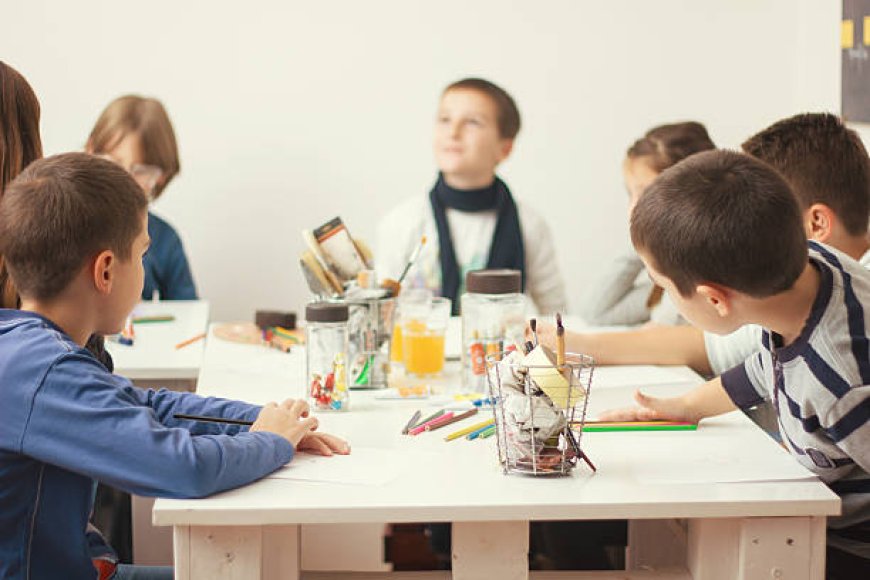
Schools and after-schoolprograms have started incorporating comic-making into their curricula as a way to deepen understanding. When children create theircomics for kids, they explore storytelling from the inside out. Teachers often ask students to write about resolving a conflict or making a new friend. This creative process encourages them to think through scenarios and make thoughtful decisions about how characters should act.
Students also learn to collaborate, discuss story ideas, and edit their panels together, skills that naturally support reconciliation and empathy. In group settings, these projects help reinforce the idea that working together can be both productive and rewarding, even when opinions differ.
Diversity and Inclusion in Comic Characters
Representation matters, especially in media created for children. Todays comics for kids are more inclusive than ever, featuring characters of different races, religions, abilities, and family structures. This representation is important in teaching reconciliation, as it reflects the real-world diversity children will encounter.
By seeing characters who may not look or speak like them but who still face similar challenges and feelings, children learn to relate beyond superficial differences. This form of indirect learning plants the seeds of reconciliation early. It encourages kids to look beyond their personal experiences and develop compassion for others.
Parents and Teachers as Guides in the Journey
While comics for kids are designed to be accessible and easy to understand, the role of adults is still essential. Parents and teachers can guide discussions after reading, ask questions about the characters choices, and relate the story to real-life situations children may face. This helps deepen the impact of the comic and ensures that reconciliation is not just a theme but a takeaway.
Adults can also help children select comics that focus on peacebuilding, teamwork, and kindness. Curating content carefully ensures that young readers are consistently exposed to stories that reinforce the values we want them to learn.
Building a Culture of Peace One Comic at a Time
By integrating comics for kids into educational environments, we can nurture a generation that values harmony, diversity, and dialogue. These comics are not merely entertainment; they are teaching tools with the potential to transform how young people view the world and interact with others.
As schools, families, and communities come together to support this creative educational approach, we take a significant step toward long-lasting peace. Whether through storytelling, donations, or collaborative classroom projects, every contribution plays a part in building a more understanding and empathetic society.